Dec 15, 2025
Diet and Lifestyle Changes to Support Mitral Valve Health


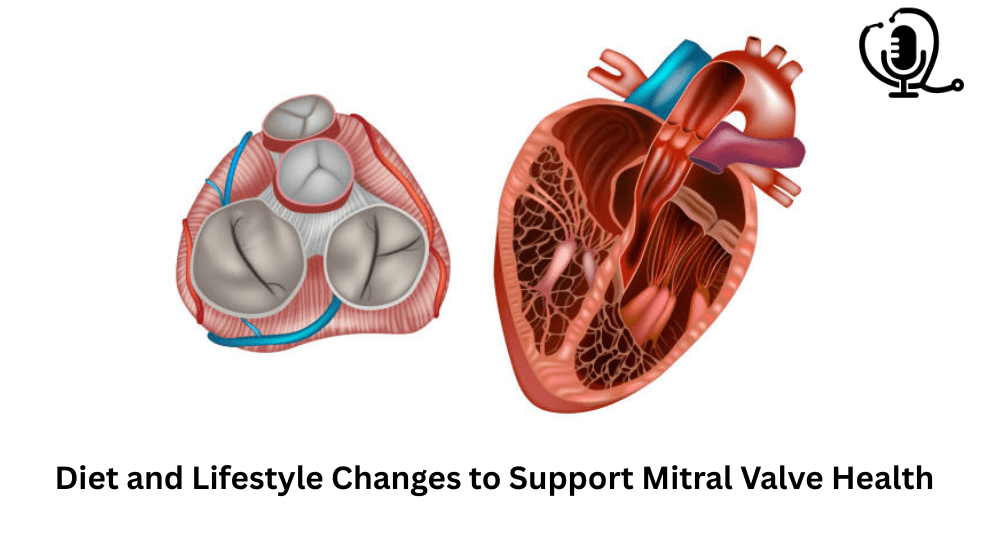
The human heart is an amazing feat of bioengineering. It relies on four valves that are precisely tuned to make sure blood flow flows a certain way. The MIRAL valve situated in the left atrium and left ventricle is one of the most important. It should be fully opened so that oxygenated blood can overflow into the main chamber of the pumping (the left ventricle) and then shut entirely to prevent backflow (regurgitation) during the course of a strong contraction.
It doesn't matter whether you are suffering from an identifiable MITRAL Valve disease such as regurgitation, prolapse or stenosis, or you're committed to preventing cardiovascular disease and your choices each day - what you eat as well as how you move your body and control your stress all are crucial to your health. Surgery, while sometimes needed, is just one element of the solution and a long-term heart health plan is based on the solid foundation of lifestyle changes. This complete guide lists the areas you can control your actions to ensure the health and function in the Mitral Valve.
The Heart-Healthy Diet Foundation: Fueling Your Mitral Valve
A balanced diet is crucial for maintaining a healthy cardiovascular diet. It doesn't have to be a quick or rigid method. Instead, it's about providing your body with the right nutrients which can help reduce inflammation and improve the health of blood vessels and reduce tension upon the Mitral Valve.
The Mediterranean and DASH Principles
One of the most frequently recommended diet plans is the fact that they form part of both the Mediterranean Diet and the DASH (Dietary Methods to Manage Hypertension) diet program. Both diets encourage eating organic, fresh food items that aren't processed, natural and unprocessed.
Various vegetables and fruits. A good amount is five and nine servings daily. They're loaded with antioxidants and fiber that helps fight inflammation and lower cholesterol. These two components help to safeguard you against Mitral Valve by making sure that blood vessels grow and remain in good shape.
Whole grain products such as oatmeal brown rice and quinoa brown rice whole wheat bread, as opposed white flour which has been refined. Whole grains can be a fantastic food source for complex carbohydrates, and Insoluble fiber. This will ensure the blood sugar level remains in check, and cholesterol levels remain in check.
It's a protein that's the least nutritious food source. It's crucial to concentrate on the proteins made by vegetables (beans and lentils) and soy) along with fish. Red meat, and cuts of poultry, which are thin, can be consumed in moderate amounts but the principal aim is to reduce the intake of saturated fats.
fats are considered to be healthful. It is recommended to use extra virgin olive oils for your main sources of fat.
Dairy as well as Calcium Pick low-fat dairy products or fat-free milk to lower saturated fats as well as increase calcium and protein levels. Both are vital to your diet to help you get through your day.
If you stick to the diet plan and adhere to it, it'll aid in maintaining an ideal weight and reduce things that can affect your health like high blood pressure, which places pressure on the left side of the heart. It's because this is the area where the MITRAL valve is most likely to work. The less strain your ventricles are subjected to towards that left-hand side, the better you'll generally be.
Shedding the Strain: Mastering Sodium and Fluid Intake
Many are suffering from MORAL Valve problems. The heart must perform greater than normal. The valve might be leaking ( regurgitation of the MITRAL Valve) and it could be stiff (stenosis) along with the rise in pressure within blood vessels and the retention of fluids are possible enemies. Excess sodium intake is the main cause of both.
The Sodium Connection to Valve Health
The body has the capacity to store fluid. Increased fluid volume indicates more blood flow. The heart must pump extra volume, which can increase blood pressure. This may cause an increase in the left ventricle load. This is known as MORAL VALVE. Over time, this strain can increase the chance of developing symptoms associated with heart failure.
Concrete Sodium Limits
HTML0 stands for American Heart Association (AHA) advises not to exceed 1,500 mg of sodium each day for adults, and especially those suffering from heart diseases. A maximum 2300 mg of sodium is generally considered to be the best dose for those who are healthy however, this lesser amount is more suitable for those suffering from MIRAL valve issue.
Practical Strategies for Reduction:
Be sure to pay attention to the label on foods: Nearly 70% of sodium consumed is derived from processed, prepackaged foods, and even food items sold at restaurants which are not salt shakers. Check to look for "Low Sodium" (140 mg or less per serving) or "No Salt Added" labels.
Making meals at home cooking at home gives you the ability to take control of all foods you consume. Add salt to the herbs, spices, the lemon or vinegar.
Rinse Canned Foods: Rinsing canned beans, along with other vegetables, can reduce the amount of sodium by almost 40 percent..
Be aware of your fluid consumption if you're taking diuretics (water pills) recommended by your doctor to reduce the accumulation of fluids caused by an irreparable MIRAL VOLVE, it is crucial to monitor the quantity of fluids consumed each day (including soup, beverages like water coffee and others. ) in accordance with the prescriptions of your physician. It is recommended to weigh yourself every day as a critical method to detect early indicators of a loss of fluid.
Know Your Fats: The Crucial Role of Omega-3s and Healthy Fats
The quality of the fats in your diet directly influence the levels of cholesterol in blood (cholesterol and triglycerides) and the degree of inflammation that occurs within the body. Both affect the cardiovascular system as a whole and its structure, and its structure, and MIRRAL Violence.
Minimizing Harmful Fats
saturated fats are typically present in dairy and red meats that contain significant fats. The oils of the tropical regions (coconut and palm) saturated fats can increase the levels of LDL ("bad") cholesterol which can lead to the formation of plaque (atherosclerosis) inside blood vessels. But it can harm coronary arteries, especially the heart. Unhealthy blood vessels may also negatively affect the work of the heart and may even impact the functioning in the cardiac.
Trans fats These artificial fats which are found in baked and processed foods are extremely harmful to your heart and must be eliminated entirely.
Maximizing Protective Fats: Omega-3 Fatty Acids
Omega-3 fats are known for their anti-inflammatory properties and cardioprotective effects. They may help lower the blood pressure and triglycerides and improve the performance of the endothelial cell (the function of the lining that surrounds blood vessels). The growth of your body's endothelial cell is essential to ensure your health and blood circulation. It also helps reduce tension, which can cause symptoms of acute EVOLVE disorders.
Key Sources of Healthy Fats:
Fatty Fish Mackerel and salmon tuna, trout, and mackerel are an excellent source of EPA and DHA (the most effective form of Omega-3's). Be sure to eat two portions per fortnight.
The flaxseeds and seeds Flaxseeds as well as walnuts Chia seeds that are found in walnuts and almonds are fantastic sources of monounsaturated fats, as well as Omega-3s from plants.
Avocados and olive Oil The avocado and olive oil are both very high in monounsaturated fatty acids. They help lower cholesterol levels in LDL when they are substituted for trans and saturated oils.
Healthy fats in foods will keep the heart's muscle in good condition and lessen the stress to heart muscle. MIRAL Valve Complex.
The Workout Prescription: Integrating Safe and Regular Physical Activity
Regular exercise is an important aspect of having a healthy heart. Training will increase the power and endurance your heart has, making its function more effective. This means it can pump more blood in a shorter amount. This increased efficiency could come from MIRAL valve weakness.
Benefits for the Mitral Valve Patient
Lower blood pressure exercise is among the most effective ways to reduce both systolic and diastolic blood pressures by directly reducing Postload (resistance) which the ventricle of left and MIRAL VOLVE must endure.
How can you reduce your weight? A balanced and healthy lifestyle and steady weight loss will reduce the stress on your cardiovascular system.
Improved Cholesterol The exercise routine can be a fantastic way to increase HDL ("good") cholesterol.
Guidelines for Safe Exercise
If you have moderate or severe Mitral VOLVE disease (regurgitation or stenosis) or have had surgery prior to. A cardiology specialist must individualize and approve the exercise program.
Medium Aerobic Training (MART) participants are generally advised to complete 150 minutes of exercise each week, which includes running at a fast pace and walking around the pool and running, and swimming. Your workouts can increase your heart rate, and also enable you to speak (the "talk test") ").
Exercise with moderate and moderate intensities (2-3 times every week) generally works well in maintaining muscle mass. However, any exercise that causes an intense strain on breathing out and in (Valsalva move) and lifting heavy weights may cause an immediate and abrupt rise of blood pressure. This can cause an over-stress on the Mitral Valve and should be avoided or treated during the time of a major medical problem.
Notice where your limits are. Be aware of warning signs like breathing issues, heart palpitations, chest pains. Additionally headaches, nausea and dizziness. In the event that any of those signs occur, quit exercising immediately and speak with your cardiology physician. The goal is to do the equivalent amount of moderate and simple exercises, but without excessively intense or arousing competition.
Guarding Against Infection: The Essential Link Between Dental Care and Valve Health
For individuals with damaged heart valves--whether due to congenital issues, disease progression, or mechanical/bioprosthetic replacements--the risk of Infective Endocarditis is a serious concern. This condition, triggered by a bacterial infection that settles on the heart valve's tissue and can quickly destroy the valve that is native to it or even compromise the surgically repaired MITRA VALVE.
The Oral Health Pathway
The mouth is a source of bacteria especially those that are associated with gum diseases (gingivitis also known as periodontitis) is able to enter the bloodstream while doing everyday routines like flossing, brushing or even chewing. If the MITRAL valve is not normal (damaged, stiff, damaged or prosthetic) the result is rough, un-smooth surfaces which allows the circulating bacteria to be able to colonize, lodge, and grow, resulting in the possibility of a life-threatening infection.
Proactive Care Steps:
Maintain flawless oral hygiene: Brush twice daily and floss daily. Visit your dentist to have professional cleanings every year at least once.
Quickly treat infections: Any signs of gum disease, abscesses or any other dental infection must be dealt with immediately to remove the cause of the circulating bacteria.
Antibiotic Prophylaxis in the past antibiotics for prophylactic purposes were suggested for a lot of patients suffering from valve disease prior to the procedure. Today's guidelines are stricter. Antibiotics are typically reserved for those who are at most risk, including:
People who wear a prosthetic Mitral Valve and prosthetic materials, used to repair valves.
A history of endocarditis that is infected.
Certain congenital heart defects.
Inform your dentist and cardiologist of your MITRAL VOLVE condition and confirm that you are in need of antibiotics prior to cleanings, extractions root canals, or any other surgically invasive dental procedures.
Beyond the Plate: Quitting Tobacco and Limiting Alcohol Intake
While exercise and diet are essential, other behavior practices can impede efforts to safeguard the Mitral Valve along with the heart muscle.
The Detriment of Tobacco Use
Tobacco consumption in all forms--cigarettes smoking, vaping, or smokeless -- is possibly the most significant possible risk factor to heart disease. Smokey chemicals damage the blood vessels' lining (endothelium) which leads to atherosclerosis, which can increase heart rate and blood pressure.
More Workload: Smoking constricts blood vessels, causing your heart pump more to supply oxygen. This constant, unneeded strain is a burden on the left ventricle and raises pressure on the MORAL VALVE.
Oxygen Deprivation Carbon monoxide from cigarette smoke decreases blood's ability for carrying oxygen and further straining your heart muscles.
The risk of clot smoking can increase the sticky nature of platelets, which makes blood clots more likely and an important concern for people who suffer from certain Mitral VAVE conditions.
The one of the most effective lifestyle changes you can make to safeguard your heart.
The Impact of Alcohol
Consuming too much alcohol can be a cardiotoxic. Drinking heavily could weaken your heart muscle, which can lead to a condition known as alcoholic cardiomyopathy. It decreases the ability of the heart to pump blood efficiently. Additionally, alcohol may be a factor in weight gain, elevated blood pressure, and atrial fibrillation (A-Fib). A-Fib is a particular issue due to the turbulent blood flow triggered by an irregular rhythm could aggravate or even trigger functional MORAL Valve regurgitation.
Moderation is essential and you should limit yourself to no more than one drink a day for women, and two drinks for men (and ideally less or no when heart function is significantly affected, as directed by your doctor).
Systemic Control: Managing Blood Pressure, Cholesterol, and Diabetes
The health and longevity of the MITRAL valve is interconnected with the management of all other chronic system conditions. These ailments are not usually responsible for valve diseases . However, they do increase the severity of it and add to the damage it can cause.
Controlling Hypertension (High Blood Pressure)
Hypertension causes a constant state of high resistance that the left ventricle has to pump.
Worsening Regurgitation If you are a patient suffering from MORAL valve regurgitation (a valve that is leaky) the pressure of the aorta can increase the resistance, causing the bloodstream to flow backwards to the atrium of the left, which makes the condition more severe.
Lifestyle Steps A DASH diet is low sodium, regular exercise, and keeping an ideal weight are the foundations for non-pharmacological blood pressure management.
Managing Hypercholesterolemia (High Cholesterol)
Although calcification of the aortic valve is more prevalent and aortic valve calcification is more common, managing cholesterol is essential for the overall health of vascular systems. The presence of cholesterol can cause atherosclerosis which can strain the heart and contributes to coronary artery disease (CAD). Because the MITRA Valve relies on the health of the heart muscles (including those papillary muscles) any thing that can compromise the flow of blood to the heart can pose a threat to.
Regulating Blood Sugar (Diabetes)
Uncontrolled blood sugar levels can damage the blood vessels' lining across the entire body. speeding up atherosclerosis as well as increasing the risk of CAD as well as heart failure. Diabetics generally have an increased risk of developing heart failure. A strict control of blood glucose levels by consuming a healthy diet (limiting the consumption of refined sugars as well as processed carbs) and medications protects the heart muscle, thus helping to protect the functions of the MORAL VALVE.
The Anticoagulation Balance: Navigating Vitamin K When on Blood Thinners
Patients who underwent the valve MITRAL reconstruction surgery or received a mechanical valve constant medication with the anticoagulant (often coumadin, Warfarin) is essential to prevent blood clots that could be dangerous from forming inside that prosthetic valve. This brings us to an important diet aspect: Vitamin K.
The Vitamin K and Warfarin Interaction
Warfarin is a medication that affects the clotting process of the body that is heavily dependent on Vitamin K. Its purpose is to keep the International Normalized Ratio (INR)--a measure of the length of clotting - within a particular healing range.
A lack of consistency in intake poses a danger: Vitamin K is abundant in leafy vegetables (spinach as well as kale) along with collards and greens) as well as specific oils. The danger is not present in any of these foods however, it is due to the extreme fluctuations in intake. An abrupt increase in Vitamin K intake may cause Warfarin less effective, and increase the chance of forming a clot around the MIRA VOLVE. A sudden drop in vitamin K could cause Warfarin to be excessively effective, which can increase the chance of bleeding.
The Strategy: Consistency, Not Avoidance
Patients taking Warfarin are generally told to
Keep a consistent Daily intake If you consume one cup of spinach each week, keep doing it. If you have a salad once or twice a week, it is recommended to continue doing this. Do not take a sudden splurge on high-Vitamin K foods or remove them abruptly.
Monitor your INR frequently. Keep in constant liaison with your care provider to make sure the INR is inspected frequently to ensure that the dosage of Warfarin is adapted to your usual diet.
Consult with a dietitian A specially-trained cardiology dietitian will provide custom food lists and meal plans that ensure uniformity in nutrition, specifically with respect to the requirements to support an artificial MORAL VALVE.
Stress Less, Live Better: Incorporating Rest and Stress Management
While often omitted, the tension and lack of sleep are amongst the top risk factors to develop cardiovascular disease. They create an ongoing situation that leaves your sympathetic nerve system being overloaded which is totally against the best interests of a healthy cardiovascular valve.
The Physiology of Stress
When we are stressed, our bodies release hormones like cortisol and adrenaline. These hormones
increases blood pressure and heart rate. The heart is placed into the "fight-or-flight" state, which causes it to be faster and more powerful. Continuous high-pressure setting puts more tension upon heart muscle.
Inflammation is linked to chronic inflammation in the system at a lower amount. This can affect vascular and heart health.
The Necessity of Sleep
The heart is resting while it, along with other organs, are restored and rejuvenated. Adults need 7 to 9 hours of sleep a night. Sleep deprivation is associated with an increase in blood pressure, weight gain, and the increased risk of getting A-Fib. This can alter the delicate functions of the MIRAL valve.
Actionable Strategies for Rest and Relaxation:
It is the practice of mindfulness and meditation. Just 10 minutes daily will reduce the body's stress hormones.
Interacting with a tense breath It aids in calming the nervous system rapidly.
Yoga, and Tai Chi: Low-impact exercises that combine fitness and brain focus.
Safety and Health Safety at night You must be following a regular sleeping schedule and ensure that your bedroom is dark and cool and stay away from screens for at least one hour prior to going to bed
To maintain the health that you have, Mitral Valve is an endurance race, not an easy race. This requires a determined and thorough action plan that goes beyond medication or surgical treatments. If you follow a wholesome diet low in sodium, and high in anti-inflammatory components, putting in an effort to regularly engage in secure exercise, protecting yourself from infections with healthful and efficient way of hygiene and fighting chronic diseases like hypertension and stress tension, you can assist your body perform at its best. Always consult your physician or a heart specialist before making drastic changes to your eating or exercise routine, especially if you have been diagnosed with MORAL Valve condition.
.
Frequently Asked Questions (FAQs) on Mitral Valve Health
Which specific diet is best for supporting the MITRAL VALVE?
The Mediterranean Diet and the DASH (Dietary Approaches to Stop Hypertension) Diet are most highly recommended. Both emphasize whole grains, lean proteins, high consumption of fruits and vegetables, and healthy fats (like olive oil) while strictly limiting saturated fats, processed sugars, and sodium.
How much sodium should I aim for if I have a MITRAL VALVE condition?
The ideal goal for most people managing a heart condition is less than 1,500 mg per day. Limiting sodium is crucial because it reduces fluid retention and blood pressure, which lessens the workload and strain on the heart muscle and the Mitral Valve.
Are Omega-3 fatty acids important for my MITRAL VALVE?
Yes. Omega-3s (found in fish, flaxseeds, and walnuts) are powerful anti-inflammatory agents. They help maintain healthy blood vessels and lower triglyceride levels, which supports the overall cardiovascular system and reduces strain on the Mitral Valve complex.
If I have a mechanical MITRAL VALVE, do I need to change my diet?
Yes, specifically if you are taking Warfarin (Coumadin). You must keep your intake of Vitamin K (found in leafy green vegetables like kale and spinach) consistent. Sudden, large fluctuations in Vitamin K can affect the effectiveness of your blood thinner, increasing the risk of clotting or bleeding.
Is exercise safe if I have MITRAL VALVE regurgitation or stenosis?
For most mild to moderate cases, yes, moderate exercise like brisk walking or swimming is beneficial for heart strength. However, you must consult your cardiologist first. Depending on the severity of your condition, high-intensity exercise, heavy weight lifting, or activities that cause excessive straining might be restricted as they can temporarily spike blood pressure and stress the Mitral Valve.
Why is good dental hygiene so important for the MITRAL VALVE?
Good dental hygiene prevents Infective Endocarditis. Bacteria from untreated gum disease or dental infections can enter the bloodstream and settle on a damaged or prosthetic Mitral Valve. This can cause a severe, life-threatening infection.
Do I need antibiotics before dental procedures if I have a valve condition?
It depends on your specific condition. Prophylactic antibiotics are typically only required for patients at the highest risk, such as those with a prosthetic Mitral Valve (mechanical or tissue) or a history of endocarditis. Always inform your dentist and cardiologist before any invasive procedure.
How does managing stress affect my MITRAL VALVE?
Chronic stress triggers the release of hormones like adrenaline and cortisol, which cause your heart rate and blood pressure to rise. This prolonged "fight-or-flight" state increases the strain and workload on the heart muscle, making it harder for a compromised Mitral Valve to function efficiently.
What role does quitting smoking play in MITRAL VALVE health?
Quitting smoking is mandatory. Tobacco constricts blood vessels, raises blood pressure, and promotes atherosclerosis. This chronic vascular damage forces the heart to pump harder, severely increasing the stress on the left ventricle and, by extension, the Mitral Valve.
. Can high blood pressure worsen MITRAL VALVE regurgitation?
Absolutely. High blood pressure creates greater resistance (afterload) in the aorta. When the left ventricle contracts, this high resistance forces more blood to leak backward across a failing Mitral Valve and into the left atrium, thereby worsening the degree of regurgitation.