Dec 8, 2025
Preparing for CABG Surgery: What Patients Should Expect


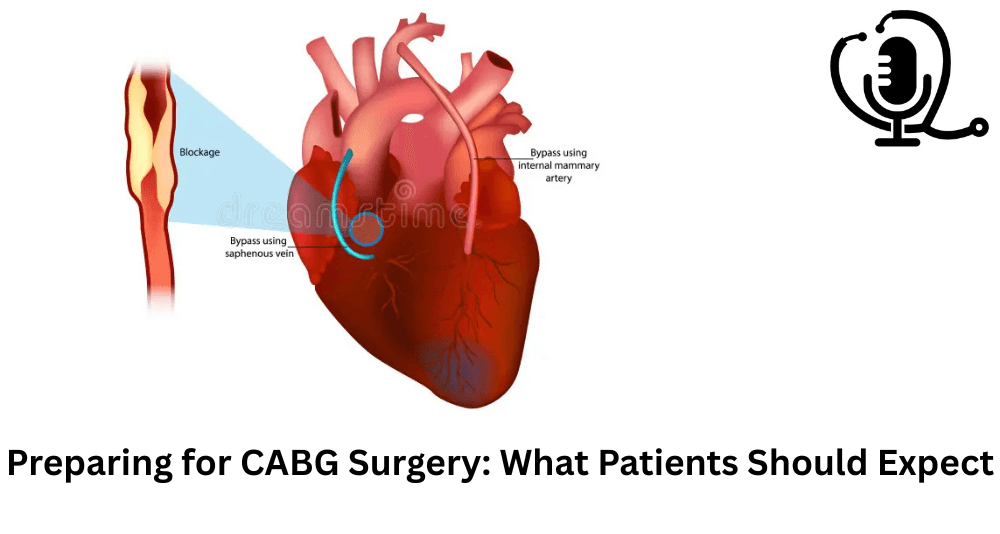
A diagnosis for serious Coronary Artery Disease (CAD) and the subsequent suggestion to undergo CORONARY ARTERY BYPASS GRAFTING (CABG) surgery can be among the most dramatic and frightening experiences a patient can experience in his or her life. But, it's important to be aware this caBG surgical procedure is among the most popular and often performed cardiac procedures in the world intended to restore crucial circulation into the muscle of your heart, ease symptoms such as chest pain (angina) and increase the long-term survival rate as well as quality of life.
This procedure, sometimes known as"bypass" or "bypass," is not an end but rather a new beginning. It is essential to prepare for a pleasant surgical experience and an efficient recovery. This guide aims to demystify the entire process--from the initial decision to the final phase of cardiac rehabilitation--providing a clear, realistic outlook on what you, as a patient, should expect before, during, and after your CORONARY ARTERY BYPASS GRAFTING (CABG) procedure. If you are prepared with the right information of this significant life procedure with confidence and a sense of security.
Understanding CABG: What is Coronary Artery Bypass Grafting and Why is it Needed?
To be prepared fully for the CORONARY ARTERY BYPASS GRAFTING (CABG) it is vital to first understand the problem it resolves. The heart's muscle requires continuous flow in healthy, oxygenated blood that is delivered through coronary blood vessels. Coronary Artery Disease (CAD) is when arteries begin to tighten and harden due to the accumulation of fat, which is also called plaque. This condition is called atherosclerosis. A narrowing in blood vessels decreases circulation of blood which can cause symptoms such as angina (chest pain) and breathlessness. It is also important to note that CAD may cause an attack on the heart.
CORONARY ARTERY BYPASS GRAFTING is a method intended to remove obstructions and "bypass" these blockages. The surgeon does this by using the correct blood vessel, also known as a graft that is derived from a different area of the body (like the leg, chest or arm) and bringing it into the coronary artery, thereby joining it before and after obstruction. This creates a new path (a bypass) to allow circulation that allows oxygenated blood to flow into the heart muscle following the removal of obstruction. Patients might have to undergo one, two or three bypasses, and these can be described as single, dual, or quadruple CABG procedures. The efficacy of this procedure is based on the assumption that revascularization works in making sure the cardiac muscle receives the nutrition it requires to function efficiently and prolong the lifespan of. Knowing about this process mechanically is the initial step in the right direction to prepare for the experiences having CABG. Experience.
Is CABG Right for You? Indications and Patient Suitability
The choice to choose CORONARY ARTERY BYPASS GRAFTING (CABG) is based on an exhaustive review by a multidisciplinary team comprising heart specialists such as a cardiologist and an expert in the field of cardiac surgery. Typically, they look at its advantages over other alternatives for revascularization. It is particularly, PCI which is also known under the term percutaneous coronary interventions (PCI) often referred to as stenting.
The treatment for CABG is usually the most well-known and efficient treatment option in a variety of situations especially for those suffering from complicated conditions that require stents to remain as long-lasting or hard to apply:
Multi-Vessel Coronary Artery Disease: Patients who experience significant blockages (70 percent or more) within three at least one coronary vessel typically are more likely to experience long-term success and a higher rate of survival after having CABG as opposed to the process of the procedure of stenting.
left main Coronary Artery Disease (LMCAD) Main left artery supplies an abundance of blood to a substantial part of your heart. It's extremely risky for this vein to become blocked. This is why CABG is an effective method to increase circulation and reduce the risk.
Lower Left Ventricular (Heart) function: For patients whose heart pumps (ejection part) are impaired, the procedure of CABG has been proven to improve the efficiency of patients and provide better as opposed to an operation such as the stenting procedure.
Diabetes Mellitus: Clinical trials, that are as large as those from the SYNTAX study, have demonstrated that patients suffering from multi-vessel disorders benefit from better outcomes, lower chances of repeat procedures, and have less chance of developing adverse cerebrovascular or cardiac complications when treated by ROTONARY BYPASS GRAFTING instead of the treatment with stenting.
A more complex or diffuse disease: If blockages grow to be large in size, are heavily calcified or spread across an extensive area, which makes placing stents risk or not likely to last, CABG provides an extensive and comprehensive procedure.
Understanding these conditions can help patients understand why their surgeon is choosing the CABG procedure instead of other options. It will also help ensure it is suitable for the particular, complicated heart disease. It also gives the highest chance to achieve the best general health. The process of selection ensures that only patients who are capable of benefitting from the longer-term health and the fullness of CORARY ARTERY BYPASS GRAFTING will be admitted to the operating room.
Essential Steps: Your Pre-Surgery Preparation Checklist
Days before the CORONARY ARTERY BYPASS GRAFTING (CABG) procedure are crucial to ensure effective treatment and recovery. The preparation stage involves logistical, medical and psychological aspects.
Medical Clearance and Testing
Before undergoing the CABG procedure, the patient must undergo extensive tests prior to the procedure to make sure that organs of the body are in good well-being. This usually involves:
Blood tests include: Comprehensive metabolic panel that includes a complete blood count and research on the process of coagulation.
Chest Xray and ECG To identify the heart and lung function as the base.
Dental Clearance to determine if there is an active infection that might circulate through the bloodstream after surgery and eventually affect implanted organs or the sternum injury.
Medical Review One of the most important steps. Certain medications, specifically blood thinners (like warfarin and Clopidogrel) and, sometimes some diabetes medicines, should be taken off for a few days or even for a week prior to surgery. The CORONARY BYPASS GRAFTING can be a technique to stop a large quantity of bleeding during the procedure. The staff of a surgeon will provide an exact, personalized strategy for stopping and restarting your medication.
Lifestyle Adjustments
Stopping smoking cigarettes is the most significant change you'll have to make before surgery. Smoking cigarettes greatly reduces the likelihood of developing postoperative complications that are associated with pneumococcal disease (like the pneumococcal infection) and wound healing issues. The surgeon may delay the time it takes to finish CABG. CABG procedure is only recommended if you are able to stop smoking. They will emphasize the importance of quitting smoking.
Fitness and diet Make sure you are eating an appropriate and balanced diet to strengthen the immune system. While vigorous exercise is usually restricted due to CAD-related issues and other CAD-related issues moderate amounts of physical activity which are suggested by your physician can increase the strength of your lungs and increase fitness.
Logistical and Psychological Readiness
Hospital information: Most cardiac centers provide pre-admission courses or meetings. Participate in these classes to learn about the Intensive Care Unit (ICU) environment as well as the equipment you will have to use as well as getting familiar with the nurses who work in this ICU.
Be sure to prepare for your home. Set up a relaxing space for recovery at home. Make meals that are easy to prepare and make sure you have someone available to help you with household chores and lifting, particularly during the first few weeks following your release from the CABG treatment.
Be prepared for emotional stress. It's normal for people to feel nervous. Talk about your anxieties with family members, friends, and also with your medical group. Be aware of the high probability of successful Bypass the GRAFTING CoRONary Artery, and focus on positive results can help to reduce anxiety prior to surgery. The careful preparation of this procedure forms the basis of a successful outcome.
Exploring the Options: Types of CABG Surgery
Although the aim for every CORONARY ARTERY BYPASS GRAFTING procedure is the same - to bypass blocked arteries, the techniques used in surgery are different. Patients must know about the various kinds of CABG procedures as well as discuss their most appropriate method with their surgeon because the choice is heavily dependent on the location and severity of the obstruction as well as the overall health of the patient as well as the skill of the surgeon.
1. On-Pump CABG (Conventional CABG)
This is the most traditional and popular method of CORONARY Bypass GRAFTING.
Method: It involves making an incision vertically across the middle in the chest (sternotomy) to gain access to the heart. To enable the surgeon to work on the coronary arteries that are tiny the heart must be in a steady state.
The most important feature: To stop the heart by putting the patient on a heart-lung device (cardiopulmonary bypass, also known as CPB). The machine takes over lung and heart functions by circulating and oxygenating blood as the surgeon completes the delicate transplant procedure.
The advantages: It provides a non-bloody motionless surface, which allows the precisely positioned grafts that is especially beneficial in complex multi-vessel bypasses.
2. Off-Pump CABG (Beating-Heart CABG)
Sometimes, it is referred to by the name of the Beating Heart CORONARY ARTERY GRAFTING.
procedure: Like the conventional method, it typically requires a surgery called a sternotomy. The procedure is done in a setting where the heart continues to beat.
The most important feature: The heart-lung machine is not employed. The surgeons utilize sophisticated stabilization devices to ensure that only the part of the heart in which the bypass is taking place is in place, allowing the rest of the heart to keep pumping blood.
Benefits: By avoiding the cardiopulmonary bypass machine, some patients--particularly those with pre-existing kidney disease, lung issues, or advanced age--may experience a lower risk of post-operative complications like stroke, kidney failure, or neurological dysfunction, leading to a potentially faster overall recovery from the CABG surgery.
3. Minimally Invasive CABG (MIDCAB or MICS CABG)
This procedure has revolutionized the process of RORONARY Bypass GRAFTING for a select group of patients.
procedure: Instead of a full sternotomy procedure, the surgeon is able to access the heart via tiny incisions made along the left chest (thoracotomy) and then between the ribs.
The most important feature: This is often performed with or without any heart lung machine (Off-Pump procedure) and is usually reserved for double or single bypasses to the front (front) coronary arteries of heart, specifically the left Anterior Descending (LAD) coronary artery.
Advantages: Reduced pain and hospitalization times are shorter, faster return to normal activities and there is no requirement waiting for breastbone healing. While it's not for every patient, it is the latest in recovery-focused CABG procedure.
Graft Selection: Where Do the New Vessels Come From?
An effective CORONARY ARTERY BYPASS GRAFTING (CABG) procedure depends not just on the surgeon's expertise and the choice and harvesting of bypass conduits, which are the healthy vessels that are used to build new pathways. The durability and longevity of the bypass are heavily dependent on the kind of graft material that is used.
Arterial Grafts: The Gold Standard
Arterial grafts are highly preferred due to their superior longer-term patency (remaining in open) rates that often surpass 90% after 10 years. Arterial grafts are naturally more durable and immune to atherosclerosis that caused the initial blockages.
Left Mammary Artery (LIMA): The LIMA is located within the wall of the chest, constitutes the most durable and effective graft. It is typically utilized to bypass the Left Anterior Descending (LAD) arterial vein, which is the most crucial coronary vessel. Its distinct feature is that the blood supply stays connected to its source which allows it to sustain greater function over time.
Right Intimal Mammary artery (RIMA): This is the artery that runs parallel to LIMA and is a suitable option to treat other coronary arteries that are blocked.
Radial Artery Derived from the non-dominant forearm this is yet another strong arterial graft utilized for multiple bypasses. It is considered to ensure adequate flow of blood to the hand, which is usually determined by a pre-operative blood exam (Allen's test).
Venous Grafts: The Backup and Complementary Option
Saphenous Vein Graft (SVG): The saphenous vein that runs along the length of the body is the most well-known vein graft that can be taken via the leg. It is plentiful and simple to collect and is the most efficient choice to bypass less crucial blocks or multiple ones. Although extremely efficient, venous grafts can be more prone to developing blockages with time, compared to arterial grafts, which highlights the importance of maintaining long-term medication and lifestyle control following
RORONARY bypass grafting:The surgeon will use a strategic approach to blend these grafts, focusing on the LIMA for the LAD, and using the venous or arterial transplants to the other vessels--to provide the most durable and efficient Revascularization that is possible, which will ensure that the whole procedure is successful. CABG procedure. The meticulous harvesting and preparing of these conduits is integral to the entire operating procedure.
The Day of Surgery: What to Expect During the Procedure
On the date you get the CORONARY ARTERY BYPASS GRAFTING (CABG) can be nervous, but knowing the precise timeframe and the sequence of events can aid in easing anxiety.
Pre-Operative Preparation
It is suggested that you arrive at the location a couple of hours prior to the time scheduled for beginning of. They'll ensure you're in good shape for your procedure including reviewing your vital information and verifying your identity and dealing with any issues that arise during the last second. The surgeon who will be performing the procedure along with the anesthesiologist will be on hand. They will speak about the process of anesthesia generally, making sure that you're in the most comfortable position and won't experience any discomfort in the process of the CABG operation. A vein (IV) is utilized to facilitate administering the medicine.
Transfer and Anesthesia
Following that, you'll get transported to the operating room (OR). When you're inside the OR the medical team that is responsible for anesthesia will examine the vital processes (heart rate and oxygen levels, blood pressure and the blood pressure. ) in greater detail. They'll then provide you with general anesthesia and then you'll fall asleep. You'll eventually fall to sleep. Once you're fully conscious and breathing, the breathing tube, it could be put in.
The CABG Procedure
This is known as a CORONARY bypass process that usually is between 3 to 6 hours, according to the number of bypasses that are required and the time the procedure is performed. This team of surgeons typically includes two surgeons, which includes an anesthesiologist, a perfusionist (if the heart-lung machine is employed) and a range of nurses. They work seamlessly.
It's the usual pattern:
1. The procedure for preparing surgical sites needs to be cleaned. Then, the blood vessels acting as grafts for the patients (e.g. LIMA the saphenous vein as well as LIMA) are sucked out.
2. Bypass/Stabilization: Depending on whether it's an On-Pump or Off-Pump CABG, the patient is either placed on the heart-lung machine or the heart is stabilized.
3. The procedure of transferring expert surgeon joins two ends of the coronary artery that was transplanted, and then extends it across the blockage. Following that, the other side is connected via the aorta (or other blood vessels) to create an artery bypass that is functional. The process is repeated for every bypass.
4. Closing: After all bypasses are cleared, the heart has been separated from the unit to allow implanting of the heart (if it is required). Temporary pacemakers can be placed within the heart. Drainage tubes are inserted in the chest to prevent fluid buildup. The cut is closed using a stainless steel cable. This cut closed with sutures.
The specific character required for ROTONARY Artery Bypass GRAFTING is the main reason that has led to its high rates of success. All efforts are put into ensuring that the patient is protected and receives the best transplant possible before the patient is able to get back on track.
Immediate Post-Op: The First Few Days in the Hospital and ICU
The post-operative phase immediately following processes for the procedure is a prolonged but vital phase of healing that usually takes place in the Cardiac Intensive Care Unit (CICU). It is a modern facility designed to offer continuous, individual monitoring.
The ICU Experience
When you awake around 5:00 in the early morning hours, it's likely that you'll find yourself bombarded by monitors that sound alarms and other gadgets that appear overpowering. The most important things to keep in mind will be
breath tube The patient gets an inner-mouth tube (endotracheal tube) connected to a ventilator, which aids the patient in breathing as they experience your effects from anesthetic diminish. The tube is removed once you're and able to breathe for yourself, usually from 6 to 24 hours following the CORONARY BYPASS GRAFTING method. It's impossible to talk when the tube is placed.
Drains as well as Lines an array of lines for IV that could be used to give medications and fluids, as well as arterial lines that offer continuous monitoring of blood pressure. Most often, you'll also be equipped with an interim catheter to aid in the elimination of urine. The most important thing is that you'll have to be fitted with a chest tube that will remove any fluid or blood from your chest. The tubes are temporary and will be taken off within the first couple of days.
What is the best way to treat pain? The possibility of feeling pain is not unusual, however it can be easily dealt with. There is a possibility of having medications that are administered through epidural or regional blocks to make sure you're comfortable. It is essential to use your pain pump, and to seek out medications in the event of need, since correct management of pain is vital to ensure an easy transition.
Early Mobilization and Lung Health
After you have your breathing tube removed and the tube removed, the primary focus should be on preventing possible problems in the future, including asthma.
Incentive Spirometer Nurses advise the use of an incentive-based Spirometer (a device that permits you to breathe deeply) every hour for an hour. This is crucial to increase the lung capacity and is one of the most efficient methods of speeding the healing process after the procedure known as CABG. ..
Walking and sitting down The doctor will instruct that you sit in a chair and start your first stroll with help on your first or second day following the bypass procedure. ARTERY. The sooner you begin walking and walking, the more effective. reduce the chance of blood clots developing into problematic and increase circulation, speeding up the healing process.
After three days in three days in the CICU. Once you've stabilized, you'll get transferred to the heart floor, and it signifies the transition from active rehabilitation to critical stabilization.
Navigating Recovery: Managing Pain, Healing Wounds, and Cardiac Rehabilitation
This process of recovering after CORONARY ARTERY-BRAND GRAFTING (CABG) is a marathon and not an event. While the initial hospitalization typically lasts between 5 and 7 days, recovery at home could take anything from 6 to twelve weeks.
Incision Care and Pain Management
The Sternal Incision Breastbone (sternum) can be the hardest part to heal, generally between 6 and 8 months. It is crucial to observe the sternal Precautions during this time Don't lift or push objects that weigh over 5-10 kgs (a gallon of milk). The act of hugging a pillow (splinting) when you're either coughing, sneezing, or moving is essential to safeguard the sternum.
leg or arm cuts (Graft Websites): The site where the artery or vein was cut could be more painful initially around the chest cut. Make sure the incisions are dry and clean. Watch for signs of infection like redness, swelling or drainage.
Pain can change from sharp post-surgical pain to dull aches, particularly in the shoulders, back or around cords in the chest. Regular use of the oral pain medicine is vital in reducing discomfort and in enabling an effective rehabilitation.
Activity and Lifestyle
Rest and fatigue: Profound fatigue is one of the most common and unanticipated symptoms that may be experienced following the CABG operation. Pay attention to the body's requirements and create a plan that includes multiple periods of rest throughout the day long.
Driving: Driving is usually limited the first 4 to six weeks. This is not because of the danger of heart attacks; however , the emergency brake that is triggered suddenly demands a large amount of force against the steering wheel of a car, which is in violation of security measures for the sternum.
Return to Work Based on what you have done during your time at work, the return to work could take anywhere between 4 and 6 months (for jobs which require desks) up to eight to twelve weeks (for physical work).
Cardiac Rehabilitation
This is possibly the most important element of the long-term recovery process after the GRAFTING OF CORONARY ARTERY.
Programming: Cardiorehab is supervised by a doctor and monitored program that involves fitness monitoring, education (diet medication) and counseling.
The advantages: The program helps patients recover their strength and stamina without risk, reduces the risk of developing future heart issues, increases cholesterol and blood pressure, and provides support for psychological issues. Being part of and completing the entire program is linked with better long-term results following an operation to treat CABG. Your commitment to rehabilitation means you are committed to maximizing the benefits of healthy, fresh blood flow.
Outcomes and Outlook: Understanding the Results and Potential Complications
The primary aim for CORONARY ARTERY BYPASS GRAFTING (CABG) is a substantial and positive change in the outlook of patients and their health. The success rate of this procedure is extremely high, but as with all major surgeries patients must be aware of the expected outcomes and the risk of complications.
Expected Positive Outcomes
Symptom treatment: The most immediate and obvious benefit is significant reduction in angina (chest pain). To restore blood flow, the heart muscle is not oxygen deficient during exercise.
Longer-lasting and longevity: CABG surgery provides a long-lasting remedy to complex CAD, particularly for those at risk (multi-vessel or diabetes). In the process of restoring blood flow to critical areas, this procedure drastically increases survival rates and can provide many years of better cardiac function.
Better quality of life Patients generally experience an improvement in endurance, energy and ability to take part in daily activities without fear or discomfort in the chest.
Potential Complications
Although it isn't often used, transparency about the risks is a component of informed decision-making in an ARTERIAL BYPASS GRIFTING CORONARY. Rates of complications have been decreasing gradually due to improvements in surgical techniques and post-operative treatments.
Atrio-Fibrillation (AFib): This is one of the most commonly diagnosed temporary ailments, which affects 10 to 20% of the patients. It's an intermittent irregular heartbeat, which is generally treated with medication and is usually resolved prior to it's time to go home.
Stroke Stroke risks are little, usually between 1 and 2 percent, however it could be a serious issue, and is usually due to manipulation of the aorta and the utilization of heart-lung devices in the CABG procedure.
A wound infection The wound can be infected, specifically those involving the sternum, are rare but serious problems (around 1.5%). Pre-operative preparation that is thorough (dental examinations) and also meticulous post-operative wound treatment are essential in the prevention of.
Retinal Dysfunction A slight reduction in kidney function may be a possibility, however, it usually resolves with the control by fluids.
Graft Failure over time, the graft can get narrower or even block (more often when vein grafts are involved). This danger can be reduced through regular use of anti-platelet medication and cholesterol-lowering medications (e.g. statins and statins) and maintaining a rigorous lifestyle control.
Long-term outcomes from results of the CORONARY ARTERY BYPASS GRAFTING procedure depend on the collaboration between the surgeon and the patient. By adhering to a heart-healthy diet and working out regularly (as suggested by heart rehabilitation) and cutting down on blood pressure and cholesterol and not smoking tobacco, it's possible to make sure you're in good health.
Frequently Asked Questions (FAQs) About Preparing for CORONARY ARTERY BYPASS GRAFTING (CABG)
1. What is CORONARY ARTERY BYPASS GRAFTING (CABG)?
CABG is a surgical procedure that improves blood flow to the heart by bypassing blocked coronary arteries using grafts from the patient’s own body, such as the chest artery, leg vein, or arm artery. It is performed to relieve symptoms like chest pain and to reduce the risk of heart attack.
2. How do I know if I really need CABG surgery?
CABG is typically recommended for patients with severe multi-vessel coronary artery disease, critical left-main artery blockage, diabetes with complex blockages, weak heart function, or recurrent narrowing after stent placement. Your cardiologist will advise CABG based on angiogram findings and symptoms.
3. Is CABG safer than angioplasty and stents?
In many cases, yes. For patients with multiple blockages, diabetes, or left-main disease, CABG has been shown to provide better long-term outcomes, fewer repeat procedures, and improved survival. The best treatment depends on individual medical conditions.
4. How long does CABG surgery take?
A typical CORONARY ARTERY BYPASS GRAFTING (CABG) procedure takes 3 to 6 hours, depending on the number of arteries being bypassed and the technique used (on-pump, off-pump, or minimally invasive).
5. What lifestyle changes should I make before CABG?
Before surgery, you should:
Stop smoking at least 2 weeks prior
Eat a heart-healthy diet
Control diabetes, blood pressure, and cholesterol
Stay physically active
Reduce stress through meditation or relaxation techniques
These changes improve both surgical success and long-term recovery.
6. What happens on the day of CABG surgery?
You will arrive at the hospital early, undergo routine checks, meet the anesthesiologist, and receive IV lines. After anesthesia, the surgical team performs the procedure. Post-surgery, you will recover in the ICU before being transferred to a regular ward.
7. How long will I stay in the hospital after CABG?
Most patients stay around 5 to 7 days. ICU monitoring is done for the first 24–48 hours, followed by gradual mobilization, wound care, and breathing exercises.
8. What are the possible risks or complications of CABG?
Possible complications include infections, bleeding, irregular heartbeat, stroke, kidney issues, breathing problems, and temporary memory loss. However, modern surgical techniques have significantly reduced these risks, especially in experienced cardiac centers.
9. How painful is recovery after CABG?
Some discomfort or soreness around the chest incision is normal, especially during movement or coughing. Pain is well-managed with prescribed medications, and most patients notice significant improvement within 2–4 weeks.
10. When can I return to normal activities?
Light walking: 1–2 days after surgery
Daily activities: 2–3 weeks
Driving: 4–6 weeks
Office work: 6–8 weeks
Heavy lifting/physical jobs: 10–12 weeks
Your doctor will give personalized guidance based on your recovery progress.
11. How long do the grafts last after CABG?
Arterial grafts (like the internal mammary artery) can last 20–25+ years.
Vein grafts generally last 10–15 years.
Healthy lifestyle habits significantly extend graft life.
12. What can I do to ensure the best long-term outcome after CABG?
To maintain the benefits of CORONARY ARTERY BYPASS GRAFTING (CABG):
Join a cardiac rehabilitation program
Follow a heart-healthy diet
Exercise regularly
Maintain ideal blood pressure and cholesterol
Take medications as prescribed
Quit smoking permanently
These habits greatly reduce the chances of future blockages.