Dec 8, 2025
Modern Approaches to Coronary Artery Disease and Its Management in 2025


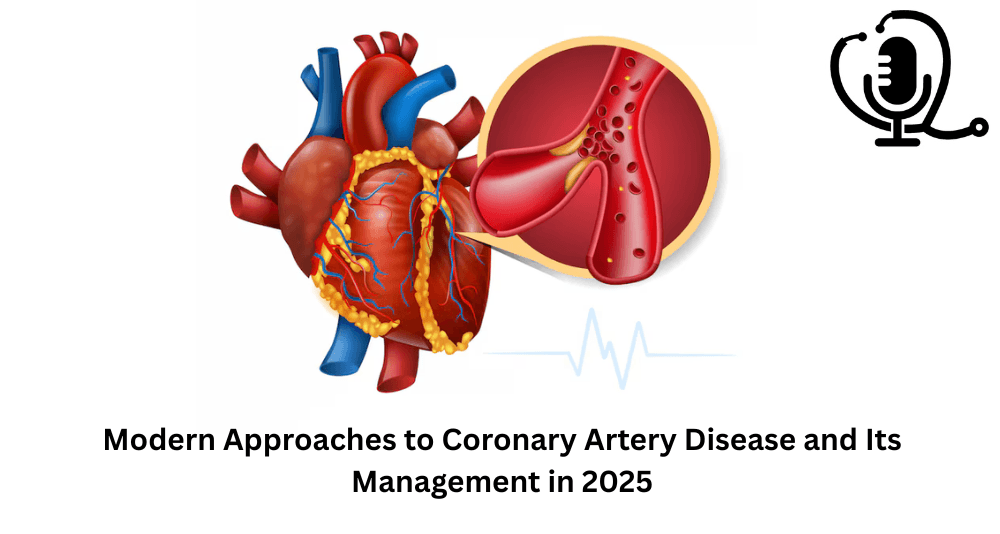
CORONARY ARTERY DISEASE & its MANAGEMENT is one of the top health problems facing the world. It is a chronic disease that causes plaque to build up in the arteries that supply the heart muscle, causing the development of angina and heart attack and eventually death. For decades, the foundation of treatment was based on broad pharmacological strategies and surgical procedures that were highly invasive. As we head into 2025, our landscape of cardiology care is going through radical and rapid changes. The future of CORONARY ARTERY DISEASE and its management will be defined through individualization and precision and technological integration, edging towards "one-size-fits-all" treatments toward highly customized, efficient and non-invasive procedures. This thorough analysis examines the latest techniques that are defining this new era in heart health.
Precision Medicine: Personalized Risk Stratification and Genetic Screening
Most significant modification of CORONARY ARTERY DISEASE, and its MAGNIFICATION can be seen in the movement toward Precision Medicine. We're moving beyond the usual risk factors, like smoking, cholesterol and age past to find out the individual genetic predisposition that afflicts every person affected by the disease.
The Power of Polygenic Risk Scores (PRS)
Genetic screening is not limited to detecting rare, monogenic disorders. Modern genomics has enabled the calculation of Polygenic risk Scores (PRS). The PRS represents a summation of a wide range of common genetic variants across the human genome. This results in a highly precise indication of the likelihood that a person will develop CAD. For those with an elevated PRS, proactive preventative measures - often with statins or lifestyle changes, may be initiated years before the first signs manifest. This proactive approach significantly alters the course of development the CORONARY ARTERY DISEASE and its MANAGEMENT.
AI and Phenotypic Deep Learning
Furthermore, Artificial Intelligence (AI) is integrating genetic information with massive medical data (phenotypes, lab results imaging, phenotypes, etc.)) to create predictive models with unprecedented precision. These models can help identify high risk patients who appear "normal" by traditional standards. A personalized medication selection such as built on pharmacogenomic analysis, makes sure that antiplatelet medicines (like Clopidogrel) or statins are prescribed at dosages and forms that are effective and reduce the possibility of adverse side effects for the patient concerned. The most efficient method to recognize and deal with CORONARY ARTERY DISEASE and its MANAGEMENT
Revolutionizing Revascularization: The Rise of Robotics and Minimal Access Surgery
Treatment for multi-vessel, complex CORONARY ARTERY DISEASE usually requires surgical revascularization. This is known as Coronary Artery Bypass Grafting (CABG). The 2025 deadline will see the use of the traditional sternotomy receding and being replaced by more sophisticated minimally invasive procedures.
Robotic-Assisted CABG (TECAB)
The Absolutely Endoscopic Coronary Artery Bypass (TECAB), performed using the aid of modern robotics, has been gaining traction as a popular procedure. Instead of a lengthy chest incision, the surgeon can perform the procedure using a series of small keyhole incisions made through the middle of the ribs. The robotic system is equipped with 3D-quality high-definition vision and instruments with greater agility, allowing precise suturing and the grafting of the heartbeat (off-pump CABG).
Benefits of Minimal Access
This approach to accessing minimally accessible information has dramatic advantages for patients:
Reduced Trauma No sternal bone separation, dramatically reducing the pain.
Accelerated Recover: Patients return to regular activities within weeks instead of months.
Lower Risk of Infection: The smaller size of the incision reduces the risk of infection with serious consequences.
Beauty: Minimal scarring.
The advancement in technology makes surgery CORONARY ARTERY DISEASE and its MANAGEMENT less intimidating and more affordable option especially for patients younger than those with serious comorbidities who might have trouble recovering from the traditional open-heart procedure.
Beyond the Stent: Innovations in Drug-Eluting and Bioresorbable Scaffold Technology
Percutaneous Coronary Intervention (PCI) remains an integral part of CORONARY ARTERY DISEASE and its MANAGEMENT. The advancement of stents in the field has been rapid and culminated in the next generation of devices that are not only to open a vessel but to restore it to their original function.
Next-Generation Drug-Eluting Stents (DES)
Modern DES are fabricated with ultra-thin struts that are incredibly thin and sophisticated Polymer Coatings which release antiproliferative drugs with a high degree of accuracy. The thin-strut design promotes quicker healing and endothelialization of the vessel, which is crucial to reduce the risk of thrombosis late in the stent and subsequent restonosis. The constant advancement in the kinetics of drug elimination has affirmed the safety and effectiveness of the latest DES and has made them the preferred treatment for the majority of blocked coronary arteries.
The Promise of Bioresorbable Scaffolds (BRS)
The purpose in BRS provides temporary assistance for the vessel, to deliver anti-restenotic drugs that will then disintegrate leaving behind a treated fully functional artery that is not surrounded by an everlasting metal cage. This technique, also known in"leave no trace" "leave nothing behind" philosophy is thought to be the most advanced form of PCI in CORONARY ARTERY DISEASE and its MANAGEMENT. While the earlier BRS generation had difficulties, current research is focused on the development of stronger polymers that can be controlled in absorption rates to ensure that the artery treated maintains long-term viability and vasomotion. The successful implementation of BRS is a significant improvement in ship longevity.
The Digital Heart: AI-Driven Diagnostics and Remote Patient Monitoring
The digital revolution has created unimaginable methods for early detection and constant monitoring, fundamentally altering the daily routine of CORONARY ARTERY DISEASE and its MANAGEMENT.
AI in Imaging Analysis
AI algorithms are capable of analyzing complicated cardiac imaging data ranging from Cardiac CT Angiography (CCTA) and echocardiograms, to MRI -- with incredible speed and precision. In the case of CCTA, AI can automatically calculate the Fractional Flow Reserve (FFR) from the anatomical images (known by the name FFR-CT) while also assessing the importance of a coronary artery blockage. Additionally, AI can detect subtle plaque-related features that non-calcified and conventional methods may overlook, and predict the types of plaques that are most likely to rupture, causing an attack on the heart.
Smart Wearables and Continuous Monitoring
To treat post-treatment treatment of CORONARY ARTERY DISEASE and its MANAGEMENT Smart implants and wearables are now essential. The devices range from advanced wrist trackers, to miniature patch-based ECGs that offer continuous, real-time information on heart rate variability, sleep quality and physical activities. This information stream helps cardiologists detect subtle changes in the body that could be indicative of the beginning of a decline. This allows them to intervene prior to the time an adverse cardiac event happens. This shifts care away from reactive to genuinely proactive.
Function Guidance Optimizing Treatment Decisions utilizing FFR and SyNTAX Scoring
The current CORONARY ARTERY DISEASE and the MANAGEMENT it causes emphasize the need to think about functional characteristics over aesthetics. Simply observing an angiogram that shows that there is an obstruction doesn't suffice. It is crucial to determine the source of the blockage and determine if it's restricting circulation flow to the heart muscle.
Fractional Flow Reserve (FFR) and Instantaneous Wave-Free Ratio (iFR)
Using Fractional Flow Reserve (FFR) and the Instantaneous W Free Ratio (iFR) is the current standard. These methods are made up of pressure wires to examine the differences in pressure across coronary lesions to determine if the blockage is severe enough to trigger Ischemia (lack of oxygen). Lesions that appear to be significant, but are not in connection with their purpose, can be treated using the most effective treatment options that don't need surgery, or stenting. This treatment is based on research and reduces risks and helps focus on the areas in the greatest need.
The Heart Team and Advanced Scoring Systems
The treatment of multi-vessel complex conditions is managed by the Heart Team, which is composed of cardiac surgeons and cardiologists along with imaging professionals. The decisions taken are heavily influenced by the SYNTAX Score which is an imaging-based scoring system that evaluates complex coronary anatomy. The most recent versions of the system, like SYNTAX II as well as III include clinical and imaging data together with anatomical scores in order to give an objective view of which type is most efficient. PCI is the most effective option, and CABG as the most appropriate option for the patient in question. The method of choosing is essential to the success for CORONARY ARTERY DISEASE and its treatment.
Advanced Pharmacotherapy: The New Frontier in Non-Statin Lipid and Thrombosis Management
Statins have remained a fundamental component, the toolkit of pharmacological treatment for CORONARY ARTERY DISEASE and its MAGNEMENT has grown dramatically providing a range of powerful options for patients who can't take statins, or whose cholesterol goals have not been satisfied.
Next-Generation Lipid Lowering Agents
The most recent breakthrough is the creation of PCSK9 inhibitors. These monoclonal antibody injections dramatically lower cholesterol levels in the blood called LDL-C (the "bad" cholesterol) through preventing the degrading of LDL receptors in the liver. The most recent breakthrough can be found in Inclisiran which is an interfering small RNA (siRNA) treatment. Inclisiran is a drug that blocks the gene that creates PCSK9. It is administered every two years It offers unbeatable efficiency and adherence, radically altering the way of thinking about the control of cholesterol over time.
Refined Anti-Thrombotic Strategies
The approach to preventing clot formation has been refined. The dual antiplatelet treatment (DAPT) is still a standard post-stenting treatment, but it is typically reduced for lower risk patients to lower the risk of bleeding. In addition, oral anticoagulants (NOACs or DOACs) are being increasingly prescribed to patients suffering from both atrial fibrillation and CAD and offer safer alternatives to conventional warfarin. These breakthroughs in pharmacotherapy equip doctors with the ability to create effective, personalized treatment regimens to treat long-term CORONARY ARTERY DISEASE and its Manglement.
Targeting the Root Cause: Inflammation and Novel Biologics in Atherosclerosis Treatment
Atherosclerosis has been recognized as low-grade chronic inflammation. The current CORONARY ARTERY DISEASE and its MANAGEMENT extends beyond reducing cholesterol levels, but actively working to reduce the amount of inflammation which causes inflammation and ruptures of the plaque.
The Inflammation Hypothesis
Studies have proven that reducing the body's inflammation response regardless of lipid levels reduces the chance of having cardiac attacks. The crucial CANTOS study proved the importance of the IL-1 "beta" pathway. The outcome has led to research into anti-inflammatory drugs. Colchicine, a medicine which was prescribed for many years to treat gout and has shown promise at low doses to reduce the risk of cardiovascular events through stopping the inflammasome that is the primary source of inflammation within the plaque.
Biological Agents and Immunomodulation
The future of pharmacological research CORONARY ARTERY DISEASE and its MANAGEMENT encompasses targeted biologic therapies. Researchers are investigating ways to inhibit specific pro-inflammatory cytokines such as IL-6 and the $beta IL-1(($)) or target specifically myeloid cells that infiltrate the plaque. These new methods are aimed at strengthening existing plaques, making the chances of rupture lower and causing heart attacks. thus providing a more effective and efficient disease-modifying type known as CORONARY ARTERY DISEASE as and its MANAGEMENT
Lifestyle 2.0: Integrating Wearable Tech and Virtual Cardiac Rehabilitation
Exercise, diet and reducing the amount of stress are essential to fighting CORONARY ARTERY DISEASE and its MANAGEMENT. But you have to fight long. Technological advancement has altered how people experience the experience of undergoing the process of going through cardiorehabilitation (CR) to provide a more enjoyable, personalized user-friendly, accessible, and comfortable experience.
Virtual Cardiac Rehabilitation (VCR)
VCR online Cardiac Rehabilitation (VCR) utilizes the most recent technology and telemedicine for the most secure and modern rehabilitation at the patient's homes. This reduces geographical barriers and boosts how many patients are who take their part. Patients use devices that connect to track their activities and indicators as well in communicating with their physicians through video conferences.
Gamification and Personalized Feedback
Modern programs use gamification--leaderboards, rewards, and virtual challenges--to motivate patients. Wearable technology gives precise and accurate information in real time. For example the wearable device can determine the amount of sleep that a patient is experiencing and levels of stress (via heart rate variation) and their daily activities throughout the day. It can provide immediate, specific advice rather than general recommendations. This technologically-enhanced behavioral change is critical for the long-term success of CORONARY ARTERY DISEASE AND ITS MANAGEMENT. Additionally, the latest technologies aid in dealing with the social factors that impact wellbeing (like the security of food and mental health) that are the basis to the potential for developing CAD.
Looking Ahead: Regenerative Medicine and Gene Therapy for Myocardial Repair
The main goal of CORONARY ARTERY DISEASE and its MANAGEMENT isn't just to remove obstructions, but also to repair the damaged heart muscle that was caused due to an attack. This area is defined by the concept of Regenerative Medical Therapy along with Genetic Therapy.
Stem Cell and Cell-Free Therapy
Current research focuses on the use of the induced pluripotent stem cells (iPSCs), that are reprogrammed using the skin of a patient or blood cells, and later transformed into cardiomyocytes that are healthy and beating (heart muscle cells). The idea is to inject the cells into the damaged region to repair scar tissue. Another area, cell-free therapy involves the delivery of microRNAs, or exosomes (tiny cell vesicles released by the cells) which instruct injured heart cells repair or reduce scarring, and avoid the complications of transplantation.
Therapeutic Angiogenesis and Gene Delivery
The field of gene therapy is also being investigated Therapeutic Angiogenesis--the use of vectors that are viral to release genes that promote the development of blood vessels that are collateral around an artery that is blocked. Additionally, researchers are studying the use of the mRNA (the same technology that is used in certain COVID-19 vaccinations) to transmit genes that trigger repair mechanisms in the heart. This capability to repair the heart's biological structure and the effects of CORONARY ARTERY DISEASE and its MANAGEMENT is a promising cure within the next 10 years.
The Era of Personalized and Proactive Heart Care
A new era for CORONARY ARTERY DISEASE and its MANAGEMENT is now here. By 2025, patients can benefit from a synergistic blend of diagnostic tools that are high-tech, less surgical procedures, highly-individualized therapeutic strategies, and enabled lifestyle management. With advances in genetics, robotic surgery, and even regenerative medicine the focus has been shifted towards maximizing the health of each individual, which means not only survival but a good level of quality of life. The efforts of researchers, clinicians and engineers are constantly challenging the limits, improving the once fatal prognosis for CORONARY ARTERY DISEASE and its MANAGEMENT an attainable and, often, reversible chronic disease.
Frequently Asked Questions
1. What is Coronary Artery Disease and how does it develop?
Coronary Artery Disease (CAD) occurs when the arteries supplying blood to the heart become narrowed or blocked due to plaque buildup. Over time, this reduces blood flow, causing chest pain, fatigue, and in severe cases, heart attacks. Understanding this process is the first step in effective CORONARY ARTERY DISEASE AND ITS MANAGEMENT.
2. What are the most common symptoms of Coronary Artery Disease?
The most common symptoms include chest pain or pressure (angina), shortness of breath, fatigue, and pain radiating to the arms or jaw. Some people, especially women and diabetics—may experience atypical symptoms like nausea or indigestion.
3. How is Coronary Artery Disease diagnosed in 2025?
In 2025, diagnosis includes advanced tools such as Coronary CT Angiography (CTA), Fractional Flow Reserve (FFR), Intravascular Ultrasound (IVUS), and Optical Coherence Tomography (OCT). These technologies provide detailed insights into plaque stability and artery health, improving CORONARY ARTERY DISEASE AND ITS MANAGEMENT accuracy.
4. Can Coronary Artery Disease be reversed?
While complete reversal is difficult, CAD progression can be significantly slowed—or even partially reversed—through lifestyle changes, medications, and timely interventions. A heart-healthy diet, exercise, and stress reduction are key components of modern CORONARY ARTERY DISEASE AND ITS MANAGEMENT.
5. What lifestyle changes help in managing Coronary Artery Disease?
Important lifestyle changes include eating a balanced, low-fat diet, engaging in regular physical activity, quitting smoking, reducing stress, and managing weight. These habits play a major role in preventing complications and improving long-term outcomes.
6. What are the modern treatment options available in 2025?
Treatment options today include medications like statins, antiplatelets, beta-blockers, and advanced therapies such as PCSK9 inhibitors. Procedures like PCI (angioplasty and stenting), robotic-assisted surgeries, and minimally invasive CABG also form part of advanced CORONARY ARTERY DISEASE AND ITS MANAGEMENT.
7. Is minimally invasive heart treatment safer than traditional surgery?
Minimally invasive treatments such as robotic PCI or keyhole CABG offer reduced pain, faster recovery, and less risk of infection. However, the best approach depends on the severity and location of blockages. Your cardiologist will recommend the safest option.
8. Who is most at risk for Coronary Artery Disease?
People with high blood pressure, high cholesterol, diabetes, obesity, or a family history of heart disease are at higher risk. Additionally, modern factors like chronic stress, poor sleep, and unhealthy eating patterns increase CAD risk.
9. How long does recovery take after a stent procedure or bypass surgery?
Recovery after a stent procedure usually takes a few days, while recovery from CABG surgery may take 6–12 weeks. Modern rehabilitation programs in 2025 speed up healing and improve long-term CORONARY ARTERY DISEASE AND ITS MANAGEMENT outcomes.
10. Can Coronary Artery Disease be prevented?
Yes. Prevention is possible through early risk assessment, routine health check-ups, maintaining a balanced lifestyle, and monitoring blood pressure, cholesterol, and blood sugar levels. Early intervention is the most effective strategy for preventing CAD.