Dec 11, 2025
Latest Advances in Tricuspid Valve Repair and Replacement Surgery


The Rediscovered Valve
For many years the valve tricuspid (TV) is located in the middle of the right atrium and the right ventricle. It was frequently called"the "forgotten valve" in comparison to its counterparts at high pressure, the aortic and mitral valves. Treatments to treat tricuspid regurgitation (TR) a major symptom associated with tricuspid Valve disease were often delayed until the late stage of disease or only as an add-on to the left side of the heart. However, this approach, while conservative frequently led to the development of right-sided heart failure, dramatically affecting the quality of life and the likelihood of survival.
Nowadays, with the help of advanced imaging, advanced techniques for surgery, and the explosion of transcatheter treatments the tricuspid valve has been a focal point in the field of cardiac care. The latest advances are driven by a deeper understanding of right ventricular-tricuspid annular interdependence, recognizing that earlier, more precise intervention is key to preventing irreversible right heart dysfunction associated with severe Tricuspid Valve disease. This blog explores the most cutting-edge techniques, from refined surgical methods to cutting-edge non-surgical tools that are revolutionizing the treatment options for those suffering from tricuspid valve disease.
The Evolving Challenge: A Refreshed Look at Tricuspid Regurgitation
A majority Tricuspid Valve disease that is seen in the clinic is functional regurgitation of the tricuspids (FTR), where the valve leaflets are structurally normal, but are unable to co-adjust due to the underlying condition. The most common cause is dilation of the annulus tricuspid (the ring of tissue that surrounds the valve) and is the result of heart disease left-sided (e.g. mitral valve disease heart failure, mitral valve disease) that causes right ventricular pressure overload.
The fundamental change that is occurring in TR management is to move away from merely dealing with the primary (left-sided) causes to actively working on the tricuspid valve prior to. We have now learned that when the tricuspid annulus dilates dramatically (typically >40 mm or 21 millimeters/m2 when indexing to body surface area) regurgitation that is typical of this type Tricuspid Valve disease will not improve on its own and, in most cases, self-perpetuates, that can cause extreme right ventricular remodeling and eventual failure.
The current challenge is delineating the most appropriate timing for intervention. The current guidelines favor the intervention of patients suffering from moderate or more TR who undergo left-sided valve surgery. They are even contemplating the possibility of an isolated TR repair for patients with symptoms before signs of severe right-sided heart failure or severe systemic dysfunction develop. This approach is designed to slow the progression in Tricuspid Disease of the Valve which requires an extensive and thorough assessment. The treatment of tricuspid Valve disease efficiently means intervening prior to the damage becoming irreparable.
Precision in Planning: The Role of 3D and Fusion Imaging
The complicated tricuspid valve -- the non-planar saddle-shaped, irregularly-shaped annulus and its connection to the coronary right artery and the different size and position of the 3 leaflets requires precise pre-procedural preparation, especially when it comes to the more advanced the Tricuspid Valve Disease. The advancement of technology in imaging has made this possible and it has enabled it to surpass conventional 2-dimensional echocardiography.
3-D Echocardiography (Transesophageal as well as Transthoracic) The transthoracic and transesophageal echocardiography is the most crucial element in assessing the Tricuspid Valve condition. 3D Transesophageal Echocardiography (3D TEE) offers a detailed, face-to-face perspective of the valve, allowing doctors and interventional cardiologists to precisely assess the annular diameter and leaflet coaptation gap as well as the tethering's thickness, and determining the location and the size of jets that regurgitate. This information, which is finely granular, is essential in determining the appropriate size and layout for a repair ring or stents and will ensure the procedure is successful in patients with complex Tricuspid Valve diseases..
Cardiac CT (Computed Tomography): For transcatheter procedures, Cardiac CT is now a must. It offers a very specific diagram of the annulus tricuspid and its relation to other structures, and, most importantly, the route taken by the guidewire to the venous access point. CT-based measurements help model the interaction of a deployed device (e.g., a transcatheter valve) with the surrounding anatomy, predicting potential issues like coronary artery compression or interaction with pacemaker/defibrillator leads, a common coexisting condition in patients with Tricuspid Valve disease.
Fusion Imaging for real-time direction for transcatheter procedures, the Fusion imaging technique is a combination of live fluoroscopy as well as pre-acquired 3-D-TEE as well as CT information. This overlay method lets the patient identify the ideal position and to navigate devices within the complex anatomy, increasing the safety and effectiveness of managing challenging Tricuspid Valve Disease..
Minimally Invasive Cardiac Surgery (MICS): Smaller Incisions, Faster Recovery
Although transcatheter procedures are becoming more commonplace surgical procedures remain the most effective alternative for the majority of patients suffering from Tricuspid Valve condition, especially those with a complex anatomy that requires simultaneous surgery, or who have tried other treatments but aren't working or failed to work. The most significant improvement in surgical procedures is the change from the surgical procedure to minimally invasive heart operation (MICS ).
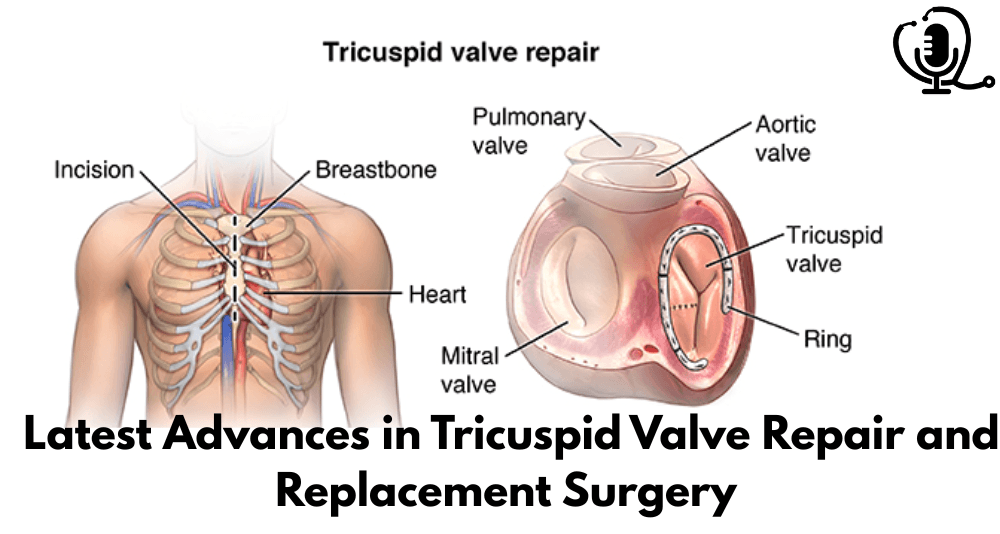
Typically surgical tricuspids need the recourse to a massive medial sternotomy (cutting across the breastbone). MICS procedures, which are generally carried out with the left hand, an frontal small Thoracotomy (a tiny cut inside the wall that runs across your chest and right above the left Nipple) provide distinct advantages in treating tricuspid Valve Disease:
decreases the chance of injury. It also helps stop the sternum from breaking. This can reduce blood loss, and also increases the risk of complications that arise from injuries.
Speedier Recovery Most patients have less soreness after surgery. They might also move faster and that results in an earlier return to normal routine.
Improved Cosmesis absence of surgery offers many advantages, especially for patients who are old and suffer from inheritable Tricuspid Valve Disease..
MICS to treat Tricuspid Repair: Surgeons are regularly performing annuloplasty procedures for the tricuspid (ring insert) and leaflet surgery. This involves performing an asymmetric thoracotomy by using instruments with long shafts and being capable of observing through an endoscope. The precision of the MICS procedure, enhanced by the use of annuloplasty rings that are high-end made of medical-grade (discussed below) provides long-lasting durability that results in MICS the most popular method to treat those who suffer from the rare Tricuspid Valve Disease when patients follow the prescribed guidelines.
The Transcatheter Revolution: Non-Surgical Valve Repair (TTVR) Techniques
The most revolutionary advancement in the treatment of Tricuspid Valve disease is the rapid development to transcatheter Tricuspid Valve Intervention (TTVI) which offers the possibility of a vast number of patients previously thought to be high-risk for open-heart surgery. The non-surgical procedures are carried out by a vein that is located that runs through the lower groin (femoral vein entry) which eliminates the need for chest incision.
Transcatheter Edge-to-Edge Repair (TEER)
It is the current most popular TTVI method for Tricuspid Valve condition. It is akin to an Alfieri surgical stitch which aims to shrink its size of regurgitant orifice in the center by clipping and grasping the edges of leaflets of the tricuspid.
the Technology (e.g., TriClip, PASCAL): These devices are inserted via a catheter, and then steered through the interatrial septum, and in the left ventricle, under the direction through 3D CTEE as well as fluoroscopy. The objective is to obtain a sufficient reduction in the severity of TR (ideally in the range of moderate to less) without causing the tricuspid stenosis (obstruction).
Patients Selection The TEER procedure is extremely efficient in patients suffering from the central jet TR and suitable leaflet anatomy (adequate tissue to grasp). It offers relief from symptoms, decreases hospitalizations, and improves quality of living for elderly and frail patients suffering from severe Tricuspid valve disease that are not able to undergo surgery.
Transcatheter Annuloplasty
This approach focuses on the root source of the dysfunctional Tricuspid valve disease annular dilation.
Direct Annuloplasty (e.g. the Cardioband): A device typically an elastic ring, is placed directly on the tricuspid annulus by using anchors. It is cinched or strengthened like an annuloplasty surgical procedure, to reduce the annular diameter and to encourage leaflet coaptation.
Indirect Annuloplasty (e.g. trialling): These techniques are designed to decrease the annular diameter via manipulation of the coronary sinus through coaptation devices. This is an exciting alternative to treat the functional Tricuspid Valve Disease.
Modern Tricuspid Repair: Innovations in Annuloplasty and Ring Technologies
For patients who undergo surgery to treat the Tricuspid Valve disease The emphasis is on making a lasting repair that strengthens the annulus and corrects leaflet pathology that is underlying.
The Superiority of Ring Annuloplasty
The current surgical practices favor the recourse to an annuloplasty prosthetic device either an entire ring or band, over suture-based techniques (like for instance the Kay as well as the De Vega techniques).
semi-flexible rings (e.g., Edwards MC3 and Carpentier Edwards Physio Tricuspid): These devices designed so that they mimic the non-planar shape that is the tricuspid annulus in healthy condition are stitched into the tricuspid annulus to repair the valve's geometry. They offer superior stability over time by preventing dilation in the future, which is the primary repair mechanism that fails in Tricuspid valve disease. The suture size is carefully selected according to pre-operative 3D imaging and intraoperative measurement.
customized repair: Surgery now employs advanced plication techniques to the posterior leaflet or papillary muscles to deal with leaflet tethering, which is often associated with annular dilation in the advanced stages of Tricuspid Valve condition.
Leaflet Augmentation and Repair
In cases of serious leaflet damage to the leaflet (e.g. caused by endocarditis or a pacemaker lead injury) Repairs might require more than the band. This is typical when there is a complex Tricuspid Valve disorder.
Pericardial Patches These patches are autologous (patient's personal) and bovine patches are used to enhance or replace tissues of the leaflet that are severely damaged and ensure proper coaptation.
Addressing Pacemaker Leads A significant proportion of patients suffering from serious Tricuspid Valve condition have defibrillator or pacemaker leads that pass via the tricuspid valve. The procedure of surgical repair typically involves distancing or repositioning the lead to avoid aggravating or causing the TR to worsen which is a complicated but vital component of achieving a permanent result in this particular manifestation of Tricuspid Valve disease.
Beyond Repair: Next-Generation Transcatheter Tricuspid Valve Replacement (TTVR)
Repairs are made to ensure the integrity of your valve. Replacements may be required due to a trauma to the anatomy, or if TR triggers are more complex triggers (e.g. The Ebstein's Anomaly) or if repairs are required to treat Tricuspid Valve disease but have been found to be not effective. Transcatheter repair of the Tricuspid valve (TTVR) is the most appropriate option for patients in danger of surgery to treat persistent Tricuspid valve problems.
Dedicated TTVR Systems
They may even be referred to as TTVRs that are biological instruments that are placed through catheters prior to being placed into valves for the tricuspids. They are distinctive in their design because of the shape they have in their body. The tricuspid Valve Disease:
The annulus is large but also adaptable. The tricuspid ring has the largest dimensions and the most oval shape compared to the ones of the Mitral or Aortic annulus. It requires a huge and flexible and adaptable instrument.
Pressures that are in the right-sided region of low pressure in the right ventricle area are essential to seal and fix devices to ensure that the device is fixed and doesn't come in contact with any force that may harm the ventricle's wall.
Possible Leads to Pacemakers a majority of leads that could overflow the valve. This is why it is essential that the devices safeguard the leads and do not hamper their functionality.
Innovative Systems (e.g. the EVOQUE Intrepid) They use a self-expanding frame which expands and is specifically designed to perform the tasks of the valve that is integrated into the. They have shown promising results and reduced TR to a level that is acceptable or a minimum. This may lead to an increase in the severity of the condition in the event that it is seen as the result of a positive right-ventricular development in those suffering from Tricuspid Valve Disease.
Valve-in-Valve/Ring Procedures
In patients who have previously undergone a failed surgical tricuspid replacement (bio-prosthetic valve deterioration) or surgical annuloplasty (failed ring repair), a less complex transcatheter approach involves placing a new transcatheter valve inside the failing surgical bioprosthesis or annuloplasty ring (Tricuspid Valve-in-Valve/Ring). This is a highly effective and safe method to restore valve function to those suffering from chronic Tricuspid Valve disease without the need to undergo sternotomy in the future.
Surgical Options Reimagined: Selecting and Securing Optimal Valve Replacements
If surgical repair isn't possible to treat Tricuspid Valve Disease the replacement of the valve is needed. The choice of valves is using long-term research that is specific to the tricuspid's position.
Bioprosthetic and. Mechanical Valves
The HTML0 is a bioprosthetic (Tissue) Valve: This is the most commonly used choice for tricuspids for treating Tricuspid valve disease. They are a great hemodynamic choice and can eliminate the requirement for prolonged, high-intensity anticoagulation. This is an important issue for TR patients. Although they are limited in time-to-live (potentially 10 to 15 years) , the possibility of re-operations is usually offset by the ease of avoiding continuous high-risk anticoagulation.
Mechanical Valve: They are typically reserved for patients younger than those who already require mechanical valves in various positions (e.g. mitral, an aortic) that require continuous anticoagulation throughout their lives. The chance that a clot forms (clot creation) is greater in the tricuspid location and requires a very strict anticoagulation therapy for this specific group of Tricuspid Valve disease patients.
"Tricuspidization" of the Right Ventricle: A core tenet of modern tricuspid replacement is to ensure that the size and geometry of the implanted valve will not interfere with right ventricular functions. Surgeons carefully assess the correct ventricular size, function and the geometry before deciding on the best dimension and valve type in order to restore the right heart's capacity to manage the volume of blood without causing excessive pressure which is a great way to treat the root cause of Tricuspid Valve disease.
The Hybrid Method The Hybrid Approach combines Surgical Skill with Percutaneous Intervention
The idea of a Hybrid procedure is among the most innovative breakthroughs, which reflects an integrated, multidisciplinary procedure that can be tailored to difficult patients with Tricuspid Valve condition.
A hybrid procedure combines aspects of conventional surgery along with transcatheter procedures in one dedicated hybrid operating room (OR) or cath lab. This is especially beneficial for patients with tricuspids who often have co-existing medical conditions which require treatment alongside those with Tricuspid Valve disorder.
Examples of Hybrid Tricuspid Procedures:
MICS Tricuspid Repair PCI: A patient might undergo a minimally invasive surgical tricuspid annuloplasty procedure to cure your Tricuspid Valve disease and, in the same time, undergo PCI (percutaneous coronary intervention) (PCI which is also known as stenting) to relieve a severe blockage in the coronary artery.
Mitral Valve Replacement Surgical Surgery with transcatheter Tricuspid Treatment: A surgeon may perform open heart surgery to replace the aortic valve. Then, they can immediately utilize the transcatheter gadget (e.g. or a clip) with the identical manner to treat minor Tricuspid valve disease which was not treated prior to. The majority of these procedures are performed using the MICS method, which combines two cutting-edge techniques for complete cardiac rehabilitation.
The power of the Hybrid Team: The effectiveness of this method is based on the close cooperation between heart surgeons, interventional cardiologists and anesthesiologists for cardiac surgery. The ability to effortlessly switch from transcatheter to open surgery within the same space offers the highest degree of security and provides the most effective chance to complete the treatment of all pertinent heart diseases, such as difficult Tricuspid Valve disease.
Looking Ahead: Personalized Care and Future Directions in Tricuspid Intervention
In the future, tricuspid valve surgery is centered on enhancing durability, increasing the effectiveness of transcatheter methods and improving specific outcomes for patients with Tricuspid Valve condition.
The Quest for Durability
Research is a significant part of creating technology for TTVR that's more durable and less vulnerable to the special pressures of the right. Additionally, surgeons continue to discover the most effective annuloplasty ring materials and fixation techniques to ensure that the repairs made to treat Tricuspid Valve Disease are durable for the duration period of the patients' life.
Personalized Medicine and Risk Prediction
The current research frontier involves the use of advanced imaging and machine learning to identify which patients with Tricuspid Valve Disease would benefit the most by early intervention. By analyzing complex variables--including right ventricular strain patterns and pulmonary pressures clinicians aim to create highly accurate risk scores to guide intervention timing. The objective is to go from treating existing heart failure caused by serious Tricuspid Valve disease to completely preventing it.
The Future of Monitoring
In light of the profound physical changes after interventions, future directions could include the creation of a system for monitoring remotely that monitors right ventricular function and symptoms of patients without invasive testing, providing early warning symptoms of persistent Tricuspid Valve condition or heart failure.
In the end the tricuspid valve has become no longer a flimsy thought. It is an essential part of the heart's functioning and the newest advancements in repair and replacement procedure of Tricuspid Valve diseases are a result of multidisciplinary cooperation, advanced imaging technology, and surgical innovations. From minimally-invasive surgical repair to the groundbreaking work of replacing transcatheters, the field of treatment is changing rapidly, bringing an opportunity for new possibilities and substantially better outcomes to patients with the challenges associated with Tricuspid Valve illness. The primary thread that runs through each of these developments is a commitment to accuracy and customization and thorough analysis, to ensure that every patient receives the longest-lasting and efficient treatment possible.
Frequently Asked Questions (FAQs) on Tricuspid Valve Repair and Replacement Surgery
1. What is the main advancement in the diagnosis of Tricuspid Valve disease?
The main advancement lies in the use of 3D and Fusion Imaging (specifically 3D Transesophageal Echocardiography or 3D TEE and Cardiac CT). This allows doctors to visualize the tricuspid valve's complex, saddle-shaped anatomy in detail, accurately measure the extent of annular dilation, and precisely plan the intervention, whether it be surgical or transcatheter.
2. Why is the timing of intervention for Tricuspid Valve disease shifting?
The paradigm is shifting towards earlier intervention. Previously, surgeons waited until severe right heart failure was evident. Now, with advances in surgical and transcatheter techniques, there is a consensus to intervene before the right ventricle suffers irreversible damage (e.g., in patients with moderate TR undergoing left-sided heart surgery, or isolated TR in symptomatic patients), offering better long-term outcomes.
3. What is the difference between Transcatheter Tricuspid Valve Repair (TTVR) and Replacement?
TTVR (Repair): This is a non-surgical procedure (usually performed via the groin vein) that aims to reduce the regurgitation. The most common technique is Edge-to-Edge Repair (TEER), which clips the valve leaflets together (e.g., TriClip or PASCAL devices) to improve coaptation.
TTVR (Replacement): This involves implanting an entirely new bioprosthetic valve into the native tricuspid annulus using a catheter. This is generally reserved for patients with non-repairable Tricuspid Valve disease or those who have failed previous repairs.
4. Who is a suitable candidate for Minimally Invasive Cardiac Surgery (MICS) for tricuspid repair?
MICS is a modern surgical approach performed through a right anterior mini-thoracotomy (small incision on the side of the chest) instead of a full breastbone cut (sternotomy). It is suitable for many patients requiring isolated tricuspid repair (using an annuloplasty ring), offering benefits like reduced pain, faster recovery, and better cosmesis compared to traditional open surgery.
5. What are the current surgical standards for repairing Tricuspid Valve disease?
The current surgical gold standard is Annuloplasty using a prosthetic ring or band (semi-rigid or flexible). This provides superior long-term stability and prevents future annular dilation compared to older, suture-only repair techniques (like the De Vega repair).
6. Are there specific challenges in performing Transcatheter Tricuspid Valve Replacement (TTVR)?
Yes. Key challenges include the tricuspid valve's naturally large and non-circular annulus, the low-pressure environment of the right heart (requiring special fixation), and the frequent presence of pacemaker or defibrillator leads that traverse the valve, which must be accounted for during device design and deployment.
7. What is a "Hybrid Procedure" in the context of Tricuspid Valve disease?
A hybrid procedure combines traditional surgical techniques with transcatheter (percutaneous) techniques in a single setting, often in a dedicated Hybrid Operating Room. For example, a patient might receive a minimally invasive surgical annuloplasty for their tricuspid valve and a transcatheter procedure (like a coronary stent or TAVR) for an unrelated issue simultaneously.
8. How does the presence of a pacemaker lead affect intervention for Tricuspid Valve disease?
Pacemaker leads are a common cause or contributor to Tricuspid Valve disease (TR). During surgical repair, the lead is often carefully repositioned or freed to allow the leaflets to close properly. In transcatheter replacement, the devices are specifically engineered to accommodate or interact safely with the existing leads without compromising their function.
9. What is the preferred valve type for surgical replacement?
Bioprosthetic (tissue) valves are overwhelmingly preferred for the tricuspid position. They eliminate the need for long-term, high-intensity anticoagulation (blood thinners), which is a significant safety advantage for most patients over mechanical valves.
10. What kind of follow-up monitoring is required after a tricuspid valve procedure?
Regular follow-up is critical. It typically involves routine echocardiography to monitor valve function and right ventricular remodeling. If the patient is placed on anticoagulation (especially with a mechanical valve), frequent blood tests (like INR) are mandatory to manage the risk of clotting or bleeding.