Dec 18, 2025
Understanding the Aorta: A Comprehensive Guide to Life’s Main Pipeline

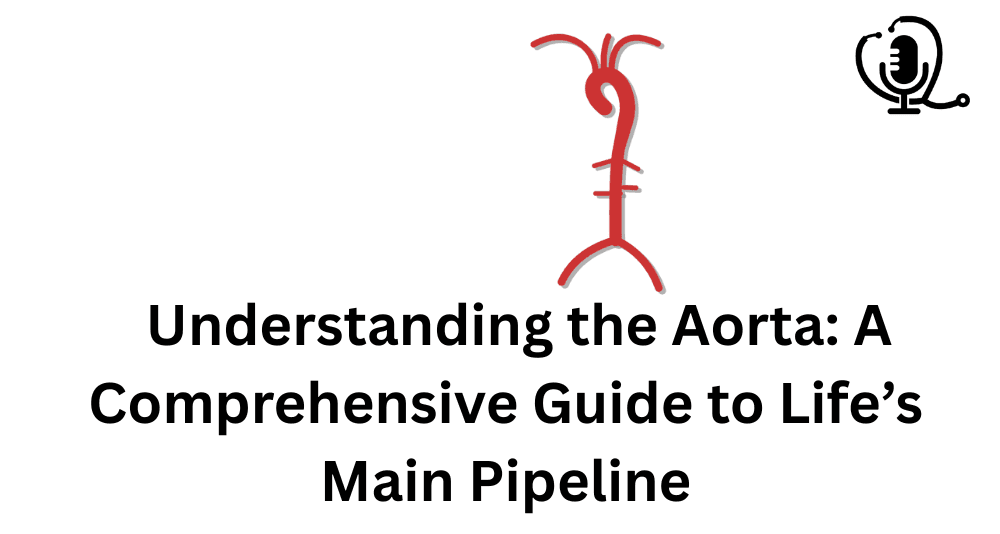
Aorta is the heart of the human cardiovascular system. Aorta can be called the "trunk" of the arterial tree within the body. People who are concerned about their heart's health should understand the aorta's function, its risks and the modern surgical miracles used to treat it.
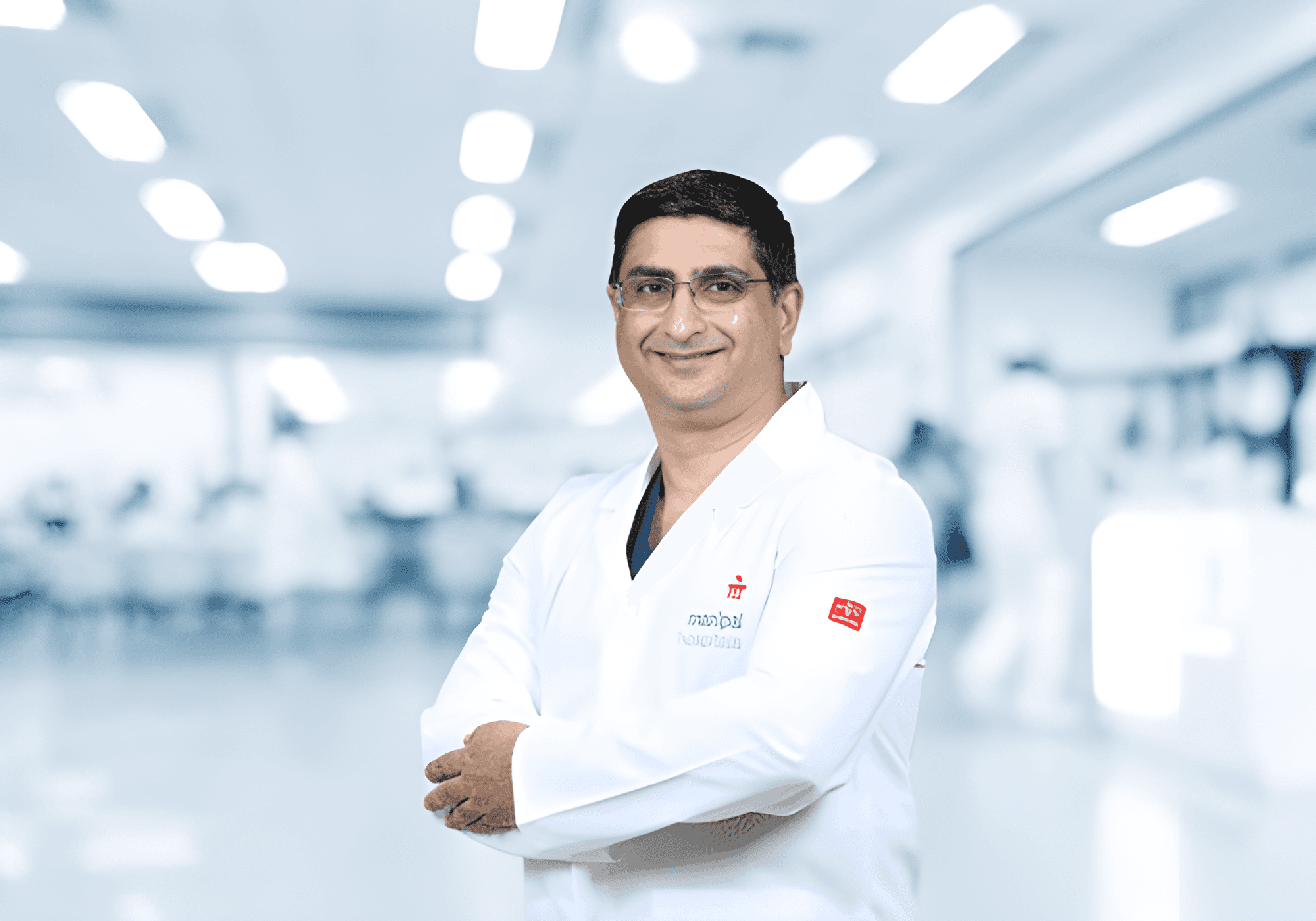
This deep-dive explores the anatomy and contributions of Dr. Mohammed Rehan Sayeed, a world renowned cardiovascular surgeon who has revolutionized how we treat complex aortic diseases.
Anatomy of Aorta
The aorta begins at the left heart ventricle, the muscular pumping chamber. The aorta extends around the heart and neck.
The Conduit Of Life
The aorta's primary function is to transport oxygenated blood to the rest of the body from the heart. This massive pipeline delivers every breath you take, and all the nutrients your organs need.
Elasticity and Pressure
Because it receives blood directly from the heart's most powerful pump, the aorta experiences immense pressure. Due to its thick, elastic walls, it can expand and recoil as each heartbeat occurs, pushing blood forward to maintain a steady flow even between heartbeats.
Conditions that cause aortic failure in a pipeline
The aorta is susceptible to a number of conditions that can cause life-threatening situations, despite its strength.
Aortic Aneurysm
Aneurysms are caused by a weak segment in the aortic wall bulging like a ball. If left untreated, they can rupture and lead to fatal internal bleeding. These "silent killers", which show no symptoms before a serious emergency occurs.
Aortic Dissection
There is a tear in the inner layer. Blood rushes through the layers and forces the vessels apart. It can cause rupture or stop blood flow.
Aortic Stenosis and Regurgitation
Regurgitation, or Stenosis narrows the valve and causes it to work more, eventually leading to heart failure.
Mohammed Rehan Sayeed is the subject of this conversation. He has been in the medical field for nearly 30 years and performed more than 10,000 operations.
The Expertise of Dr. Mohammed Rehan Sayeed
Global Training and Credentials
Dr. Rehan holds academic credentials from the world's most prestigious universities.
Madras Medical College was where he received his medical foundation.
Royal College of Surgeons of Edinburgh: Earning a FRCS.
The Cleveland Clinic, according to the World Health Organization, is America's top heart hospital. His advanced training includes heart failure and complex surgical procedures.
Harvard Medical School, Boston Children's Hospital Pediatric cardiac surgery
The Legacy of Firsts
Rehan, Dr. is a man that has always pushed India's limits.
South India performs first endoscopic heart surgery.
The country's first hybrid coronary bypass operation was performed.
This is the largest series ever performed anywhere on the planet.
Aortic treatment - Revolutionary Techniques
Dr. Rehan's work has been described as "Minimal Access". This is a philosophy that aims to complete the most complex tasks with the least amount of intervention.
Innovations:
Minimal Access Cardiac Surgery: MICS is performed through an incision made between the ribs. This results in less pain, lower infection rates and faster recovery.
Aortic Hybrid Repair: Dr. Rehan uses a hybrid aortic repair for patients with complex aneurysms. This technique combines traditional surgery and endovascular stenting, including placing a reinforced tube through the groin. Allows treatment of high-risk patients who may not survive a chest opening procedure.
The valve can be preserved by replacing it with a new one. Rehan has special expertise in valve preservation. Blood thinners are not necessary.
Robotic Precision Dr. Rehan was a pioneer in robotic heart surgery. He uses the Da Vinci System which allows him to perform complex repairs using a magnifying glass and steady hands.
The "Sayeed Standard of Patient Care"
The "human touch" is important in surgery. Dr. Rehan’s approach is defined as:
Safety and Precision: His mortality rates and complication rate (0.7% and 1.5%) are among the lowest in the world. They far exceed international benchmarks.
He trained hundreds of surgeons in Southeast Asia, Middle East and Europe to ensure his techniques are beneficial for patients worldwide.
Holistic health: Beyond the surgery, Dr. Rehan, founder of Motherhood Hospitals, is an entrepreneur and wellness advocate. He focuses on nutrition and lifestyle changes post-operatively to ensure that the heart remains healthy for a long time after the stitches have been removed.
Aortic health: prevention and detection
Prevention is the best medicine, even though Dr. Rehan's team can perform miracles.
Blood pressure Control: The enemy to the aorta is high blood pressure. Over time, it weakens vessel walls.
Quitting Smoking: The primary risk factor of abdominal aortic stents is tobacco use.
Genetic Awareness Early screening via CT or ultrasound is required if a family member had an aneurysm.
The "Silent Nature": Aortic problems are usually not painful until they become critical. For those at high risk (over 65, a history of smoking), regular check-ups by a specialist such as Dr. Rehan is essential.
Your Heart's Future
The aorta provides life to the body. You need to combine world-class surgical intuition with cutting-edge technology when it is in danger.
Dr. Mohammed Rehan Sayeed is the bridge between old-school heart mastery and new-age precision with robotics and minimal-access. He has changed thousands of lives by choosing the path of compassion and innovation.
Do you or someone close to you have a risk? You shouldn't wait until a silent condition occurs before speaking up. Consult pioneers such as Dr. Rehan Syed to ensure that your master pipeline will be secure for many years.
Frequently Asked Questions
1. Why is the aorta called the "main pipeline" of the body?
The aorta is the largest artery in the human body. It carries all the oxygenated blood from your heart to every other organ and limb. If the aorta is compromised, the entire body's blood supply is at risk.
2. What are the most common symptoms of an aortic problem?
Aortic conditions are often "silent" (asymptomatic) until they become emergencies. However, warning signs can include:
Sudden, severe chest or back pain (often described as a "tearing" sensation).
Shortness of breath or difficulty swallowing.
A throbbing sensation near the navel (common in Abdominal Aortic Aneurysms).
Sudden hoarseness or persistent cough.
3. What are the primary risk factors for aortic disease?
The leading risk factors include:
Smoking: The single most significant modifiable risk factor.
High Blood Pressure: Chronic pressure weakens the aortic walls over time.
Age: Risk increases significantly after age 65.
Genetics: Conditions like Marfan Syndrome or a family history of aneurysms.
4. What is the difference between an aneurysm and a dissection?
Aneurysm: A permanent bulge or "ballooning" of the aortic wall due to weakness.
Dissection: A tear in the inner layer of the aorta that allows blood to flow between the layers of the vessel wall, potentially causing it to rupture or block blood flow to organs.
5. What are the benefits of Minimally Invasive Cardiac Surgery (MICS)?
Under the expertise of surgeons like Dr. Rehan Sayeed, MICS offers:
Smaller Incisions: 2–3 inches instead of a 10-inch breastbone cut.
Reduced Pain: No breaking of the ribs or sternum.
Faster Recovery: Patients often return home in 3–4 days and resume normal life in 2 weeks.
Lower Risk: Reduced chance of infection and minimal blood loss.
6. When is a "Hybrid" procedure recommended?
A hybrid procedure combines traditional open surgery with endovascular stenting. It is typically used for complex cases where the damage spans multiple sections of the aorta. It allows the surgeon to repair the most critical area via surgery while stabilizing the rest with a stent, reducing the overall physical trauma to the patient.
7. What makes Dr. Rehan Sayeed a specialist in aortic care?
Dr. Rehan Sayeed has performed over 10,000 cardiac surgeries and has a specific interest in Aortic Aneurysm Surgery and Minimally Invasive Valve Repairs. His training at the Cleveland Clinic and Harvard Medical School places him among the few surgeons globally capable of performing complex endoscopic and robotic aortic repairs.
8. What is Dr. Rehan’s success rate?
Dr. Rehan maintains an exceptionally high safety profile, with a mortality rate of less than 0.7% and a complication rate of approximately 1.5%, both of which are significantly better than international healthcare benchmarks.
9. Can Dr. Rehan treat pediatric aortic conditions?
Yes. Having specialized at Boston Children's Hospital (Harvard), Dr. Rehan is highly experienced in treating congenital heart defects and aortic conditions in infants and children.
10. How long does it take to recover from aortic surgery?
Traditional Surgery: 6 to 8 weeks for the breastbone to heal.
Minimally Invasive (MICS): 2 to 3 weeks.
Endovascular (Stenting): Often as little as 1 week.
11. Can I live a normal life after an aortic repair?
Absolutely. Most patients return to full activity, including exercise and travel. However, lifelong management of blood pressure and regular follow-up imaging (usually once a year) are mandatory to ensure the repair remains stable.