Dec 19, 2025
The Future of Heart Health: A Comprehensive Guide to Angioplasty and the Pioneering Work of Dr. Mohammed Rehan Sayeed
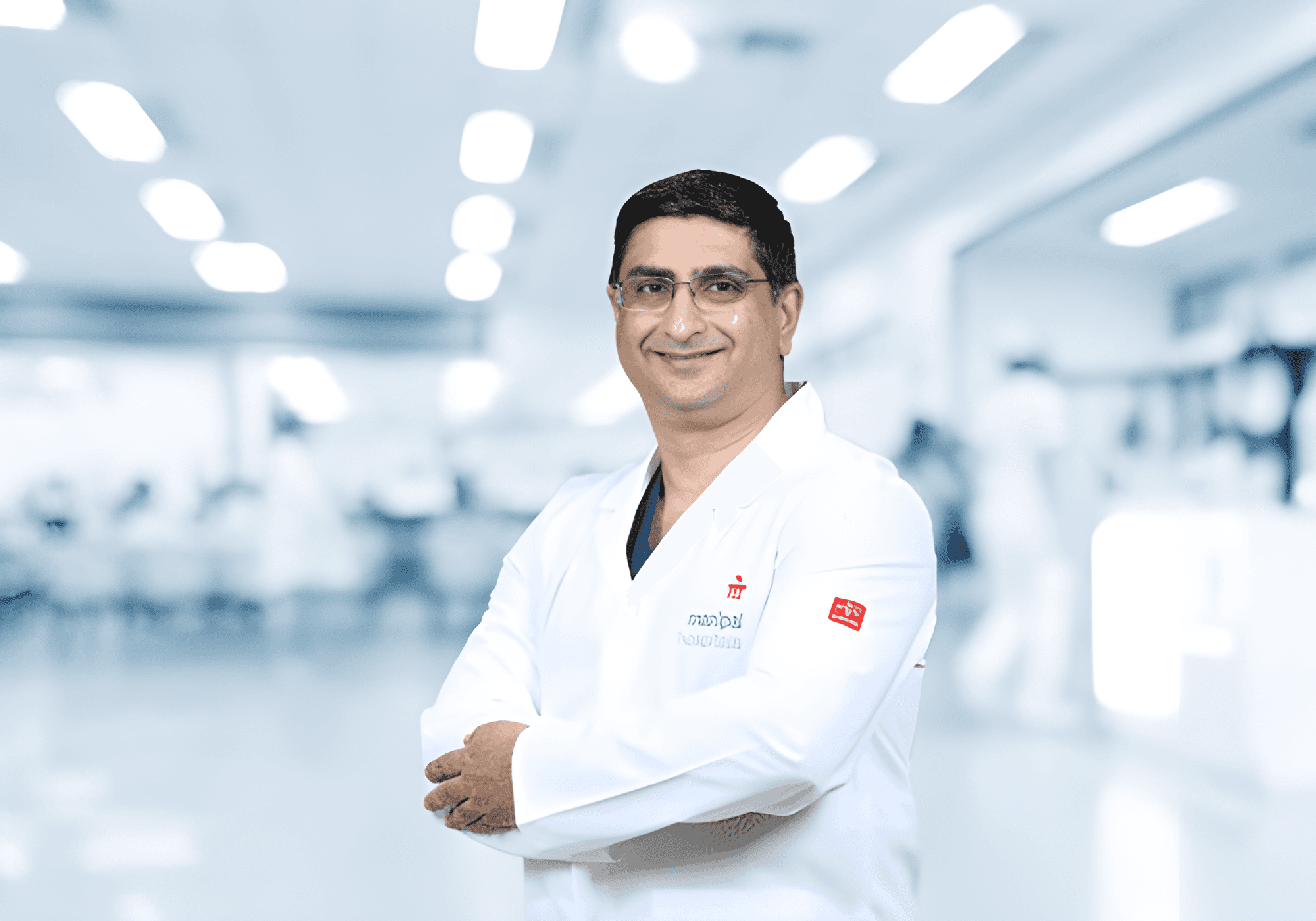

Few fields in modern medicine have experienced such rapid, transformative change as cardiac care. In India, heart disease is the number one cause of death. There are 62.8 million Indians suffering from cardiovascular diseases. The shift away from "open-heart", traumatic procedures to minimally invasive ones has transformed the prognosis of millions. This revolution is led by Dr. Mohammed Rehan Sayeed is a surgeon who has a career defined by "firsts", and an unwavering pursuit of innovation centered on patients.
This blog explores the mechanics behind angioplasty, a life-saving surgery featured on Dr. Sayeed’s official platform. It also expands to the wider horizons of minimal access and robot cardiac surgery in which Dr. Sayeed is setting global benchmarks.
Understanding the Core: What is Angioplasty?
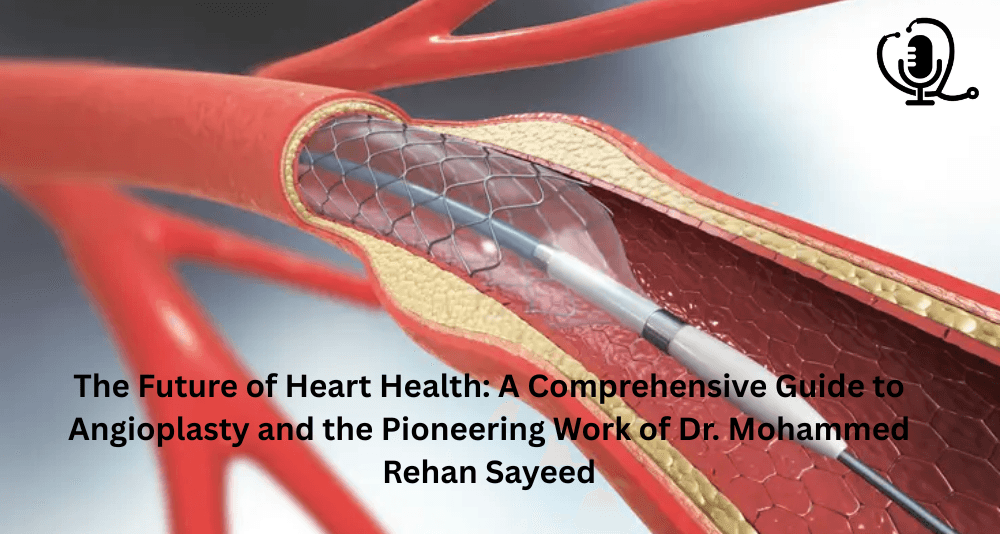
Coronary Angioplasty, a minimally invasive procedure that opens narrowed or blocked arteries. These arteries transport oxygen-rich blood to the heart's muscles.
Atherosclerosis
Atherosclerosis is the primary cause of angioplasty. Plaque (a sticky substance made of calcium, cholesterol and fat) is deposited on the inner wall of the arteries over time due to lifestyle factors, genetics and age. This buildup is known as Atheroma and narrows the passage, reducing blood flow. If the heart does not get enough blood it can lead to:
Angina Chest pain or discomfort.
Heart attack: Complete heart muscle blockage.
The Angioplasty is the solution
The procedure is performed in a catheterization lab, which is a special hospital. Unlike traditional surgery, it does not require opening the chest.
ACCESS A thin flexible cable (catheter) is threaded through a blood vessel in the arm or groin.
Navigation Using real-time X-ray imaging and contrast dye, the surgeon guides the catheter.
A tiny balloon is attached to the tip of the catheter, pushing the plaque against the artery walls and enlarging the vessel.
Stenting Small mesh tubes of cobalt chrome or stainless steel are permanently placed in the artery to ensure it remains open. Stents today release medication slowly to prevent the arterial re-narrowing.
What is a candidate for Angioplasty?
Dr. Sayeed's clinical approach emphasizes precision when selecting patients. Angioplasty is not a quick-fix, but a targeted treatment that targets:
Blockages of significant importance: These are usually those with a narrowing greater than 70%.
Acute cardiac arrest: When emergency angioplasties are needed to minimize muscle injury.
Angina refractory: Chest pain that is not responsive to medication or lifestyle changes.
Most patients can return home the same day. This is an improvement over traditional bypass surgery, which requires weeks of recuperation.
Dr. Mohammed Rehan Sayeed, the architect of modern cardiac care
Although angioplasty remains a cornerstone in interventional cardiology, Dr. Mohammed Rehan Sayeed is also recognized for his work in the fields of Minimum Access Cardiac (MICS), and Robotic Surgery.
A Legacy of Excellence
Dr. Sayeed's journey began at Madras Medical College. He was driven by his quest for excellence to some of the most prestigious medical institutions in the world.
Boston University Medical Center, where he was Chief Resident.
Harvard Medical School, Boston Children's Hospital: Pediatric Cardiac Surgeon.
The Cleveland Clinic Foundation : Pursuing an advanced fellowship in Heart Failure Surgery and Transplantation.
It was during these years in the United States that Dr. Sayeed honed his expertise in Minimal Access Valve Repair and complex aortic surgeries--techniques he would later pioneer and popularize in India.
Keyhole Revolution: Pioneering the "Keyhole" Revolution
In India, Dr. Sayeed has been called "the pioneer of keyhole heart surgery". He has fundamentally changed patient care by moving away from sternotomy, which involves splitting the breastbone.
World Records and Milestones
Dr. Sayeed holds several records that underscore his surgical volume and skill:
Largest Series of Minimal Access Off-Pump Bypass Surgeries: He has performed over 4,000 such procedures, the largest single-surgeon series globally.
Total Minimal Access Count: Over 9,000 minimal access cardiac surgeries to date.
Endoscopic Pioneer: He performed the first endoscopic heart surgery in South India and the first endoscopic repair of a complex congenital heart defect in the world.
The Benefits of Minimal Access
By utilizing small incisions (often just 5-6 cm) between the ribs, Dr. Sayeed’s MICS approach offers:
Reduced Pain: No bone-cutting means significantly less trauma.
Faster Recovery: Patients are often mobile within 24 hours and back to work in weeks rather than months.
Cosmetic Advantage: Smaller, less noticeable scars.
Lower Infection Risk: Smaller wounds heal faster and are less prone to deep infections.
The Robotic Frontier - Surgery in an Age of Precision
Dr. Sayeed is currently working on Robotic Cardiac Surgery, using the Da Vinci System. He is a Senior Consultant for Apollo Hospitals and advocates robotics as "a game changer."
How It Works
The surgeon controls the robotic arms with high-dexterity instruments from a console. The system allows for a high-definition 3D view that would be physically impossible to achieve with a human hand. This is especially useful for:
Mitral Valve Replacements: When the restricted space makes robot dexterity indispensable.
Multivessel Bypass: Doctor Sayeed has demonstrated the ability to perform even 4- or 5-vessel bypasses through small incisions with robotic assistance.
Dr. Sayeed points out that, while the initial costs might be higher than expected, the "cost-benefit" ratio is superior when you consider the rapid rehabilitation of the patient and their quicker return to economic productivity.
Compassion: A Philosophical Approach
His philosophy of patient centric care is what sets him apart. He is grounded in empathy despite his high-tech approach. He created "The Dr. Rehan show," a podcast that promotes health education, dispels myths and advocates ethical medical practices. He brings his experience as a national rower of India to the operating room.
Choose Innovation for Your Heart
Dr. Mohammed Rehan Sayeed strives to improve the outcomes and quality of life of his patients.
Sayeed's research will help the Indian heart continue to beat with greater precision and less discomfort.
General FAQs on Angioplasty
1. What is the difference between Angioplasty and a Stent?
Angioplasty is the procedure itself the process of using a balloon to widen a narrowed artery. A stent is the small, permanent mesh tube that is inserted during the angioplasty to keep the artery propped open long-term. In almost all modern angioplasty cases, a stent is used to ensure the artery doesn't collapse again.
2. Is Angioplasty considered "Major Surgery"?
No. Angioplasty is a minimally invasive intervention, not a major surgery. It does not require a large incision in the chest or the use of a heart-lung machine. It is performed through a small puncture in the wrist or groin while the patient is usually awake but sedated.
3. How long does the procedure and recovery take?
Procedure Duration: Usually between 30 minutes to 2 hours.
Hospital Stay: Most patients are discharged within 24 hours.
Full Recovery: Most people can return to light work and normal activities within a week.
4. Can a blockage happen again after a stent is placed?
While stents are highly effective, a condition called restenosis (re-narrowing of the artery) can occur in a small percentage of cases. To prevent this, Dr. Sayeed uses Drug-Eluting Stents (DES), which release medication to prevent scar tissue from growing inside the stent.
5. Why is Dr. Sayeed known for "Minimal Access" surgery?
Traditional heart surgery requires a sternotomy (splitting the breastbone). Dr. Sayeed specializes in Minimal Access Cardiac Surgery (MICS), where he performs complex bypasses and valve repairs through 2-inch incisions between the ribs. This leads to significantly less pain, no bone healing time, and almost no blood loss.
6. When is Bypass (CABG) better than Angioplasty?
Dr. Sayeed often evaluates patients based on the "SYNTAX Score." Generally, if a patient has:
Blockages in all three major heart valves (Triple Vessel Disease).
Diabetes.
Complex blockages that a wire cannot pass through.
In these cases, a Minimal Access Bypass (MICS CABG) is often a more durable, long-term solution than multiple stents.
7. What are the advantages of Robotic-Assisted Surgery?
Under Dr. Sayeed's expertise, the da Vinci Robotic System allows for:
3D Visualization: Seeing the heart magnified 10x in high definition.
Greater Precision: The robotic "wrists" can turn in ways the human hand cannot, which is vital for delicate valve repairs.
Tiny Incisions: Smaller even than standard "keyhole" surgery.
8. What medications are mandatory after a stent?
If you receive a stent, you must take anti-platelet medications (like Aspirin, Clopidogrel, or Ticagrelor). These prevent blood clots from forming on the new metal stent. Do not stop these medications without consulting Dr. Sayeed, as doing so can cause a sudden heart attack.
9. When can I resume exercise?
Walking: Can usually begin the day you get home.
Strenuous Exercise/Lifting: Usually safe after 1–2 weeks for angioplasty patients. For surgical patients, Dr. Sayeed provides a customized Cardiac Rehabilitation plan.
10. Can I travel by air or drive after the procedure?
Driving: It is usually recommended to wait 1 week.
Flying: Generally safe after 2–3 days for uncomplicated angioplasty, but always confirm with your medical team if you have had a recent heart attack.